
Gardening with the Elements: Fire
Flowers, Plants & The Energy of Fire in your Garden
If we think of any garden in summer, we’re likely to think of the plants that find their way in this post. The blooms so big and bold they stop you in your tracks, with colors so vibrant they insist that you come closer and take a picture. The vegetables glistening under the summer sun that have your taste buds start salivating before you’ve even picked them off the stem.
The heat settles into the soil and everything that's been quietly growing since spring suddenly declares itself. It’s not waiting anymore to grow into all it can be and it’s definitely not asking for any sort of permission. It’s ready to shine, to absorb the sun and to do what it came here to naturally do.
That… is fire energy. And if you've ever felt most alive in the height of summer, most yourself when you're creating something or pursuing something with everything you have, we’ll… you probably already know it in your body even if you've never had a name for it.
The element of fire is the energy of passion, creativity, transformation, and bold self-expression. It's the spark that starts things and the sustained heat that sees them through. In the natural world fire is associated with summer, with the sun at its peak, with the outward movement of energy into the world. In astrology it belongs to Aries, Leo, and Sagittarius - signs known for their vitality, their courage, and their refusal to be small.
In your garden, fire shows up as the plants that don't apologize for taking up space and the ones that inspire a sense of vitality in you, too.
How Fire Shows Up in the Garden
Fire energy in the garden is less about specific plants and more about a quality of them… the willingness to be seen, to be bold, to be inspired, to feel creative and to stand fully in the light.
It's the sunflower that turns its face toward the sun without hesitation and the marigold that keeps going long after everything else has started to fade.
Fire plants tend to be heat-lovers, sun-seekers, and unapologetic show-stoppers. They often have protective or transformative associations in herbalism and folk tradition, such as calendula's long history as a healing plant. They're not the most subtle of plants as they catch your eye almost immediately,but that’s sort of the point.
Growing fire plants is an act of claiming your own vitality. It’s a way for you to say yes to abundance, to creativity, to the full expression of what's alive in you right now.
The Colors of Fire
Reds, oranges, bright yellows, gold, and vibrant saturated pinks.
These are bold, playful, inspiring and unapologetic colors. Fire colors are ready to be seen and to show themselves off. They’re ready to let the warmth spark something inside of you, too. They're the palette of the summer solstice, of the hot sun at noon in early August and of a bonfire on the beach sands under a summer night sky.
When you're choosing plants for a fire garden - or simply adding fire energy to an existing space - reach for the colors that make you feel like you can conquer the world. The sunflower that stands tall amongst the others, the spike of a celosia that makes you want to create a magic wand like you did as a child. The orange and yellow marigolds that glow like embers along the floor of the garden.
If it makes you feel something - creative, inspired, playful, determined - it's probably fire.
Plants for the Element of Fire
These are some sample suggestions when it comes to plants that could fall into this element. By all means though, research plants for your area and see what you feel called to!
Sunflowers - The most literal expression of fire energy in the garden and an obvious choice to include. Sun-facing, heat-loving, generous in their abundance… there's something almost devotional about the way a sunflower follows the light.
Marigolds - Long associated with the sun and with protection, marigolds are a staple of fire energy in the garden. Their deep golds and oranges carry the warmth of late summer and they have a resilience that feels very fire as they keep going and keep blooming long past when you'd expect them to stop. Not to mention they’re helpful in keeping the critters away.
Calendula - One of the most useful plants you can grow, calendula carries both the color and the spirit of fire. Its petals have been used medicinally for centuries due to their healing properties (especially when it comes to matters of the skin). And the flower itself looks like the sun with the strong petals of warm shades.
Zinnias - A classic summer flower that keeps giving as long as the days are hot and the sun is high. These are a staple summer flower that come in all shades of summer’s most beautiful hues. They thrive in conditions where many others might not because summer is their energy. Poor soil, hot days… they love it.
Celosia - With its flame-like plumes in all shades of reds, oranges, and pinks, celosia looks like it was designed to represent fire. Bold, textural, and dramatic - it earns its place in a fire garden and always a rightful place in my bouquets.
Dahlias - These flowers have had a massive resurgence in popularity in recent years, and for good reason. From stunning flower heads that match a dinner plate in size down to the most perfect spherical pom pom for a bouquet, and with colors that demand attention, dahlias are a surefire (see what I did there) flower for any summer garden. There are even some “cactus” varieties that mirror the shape of a sunburst… a perfect option for added heat in the garden.
Fruits & Vegetables - Now, I am not a fruit or vegetable grower but it’s important that these get a big mention here. Specifically because, if we look at the parts of a plant relative to the element of fire, those are the seeds (especially the seeds that go onto produce fruits, such as apples, pears, etc.). Incorporating these into your garden can be a wonderful way to bring the fiery energy in, especially if you think of growing things like peppers (for spicy heat) or tomatoes (red color) - just as a couple examples.
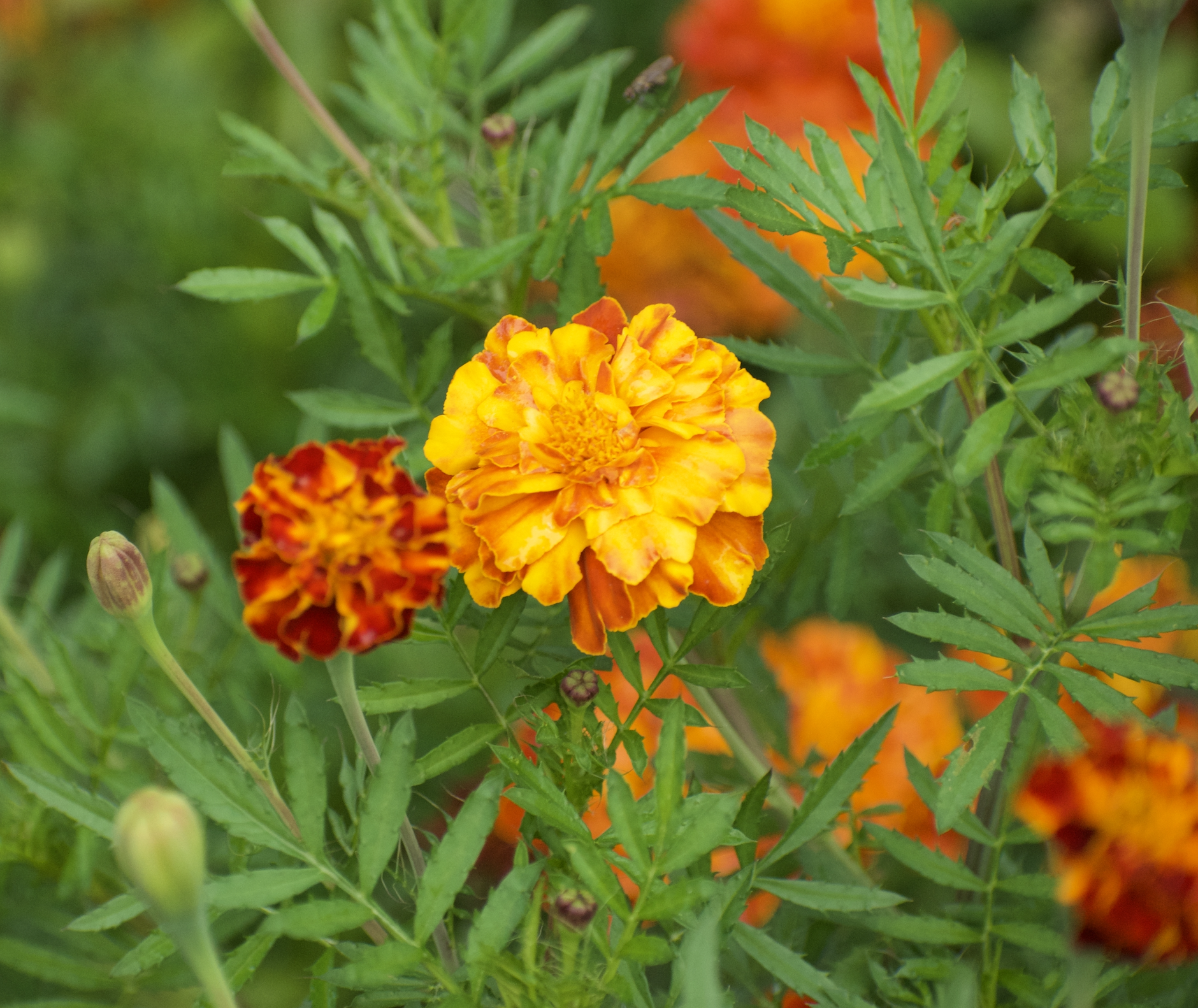
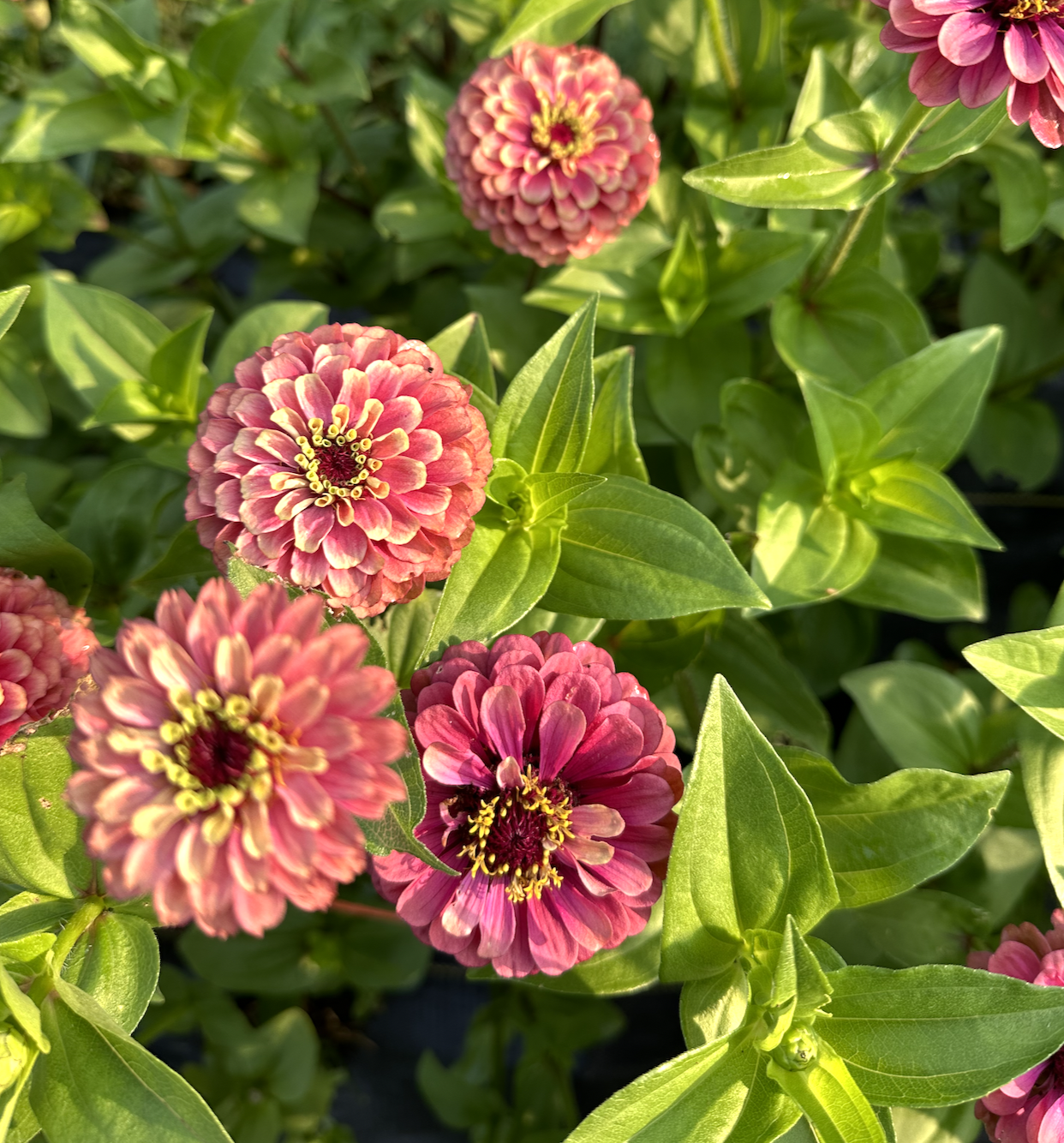
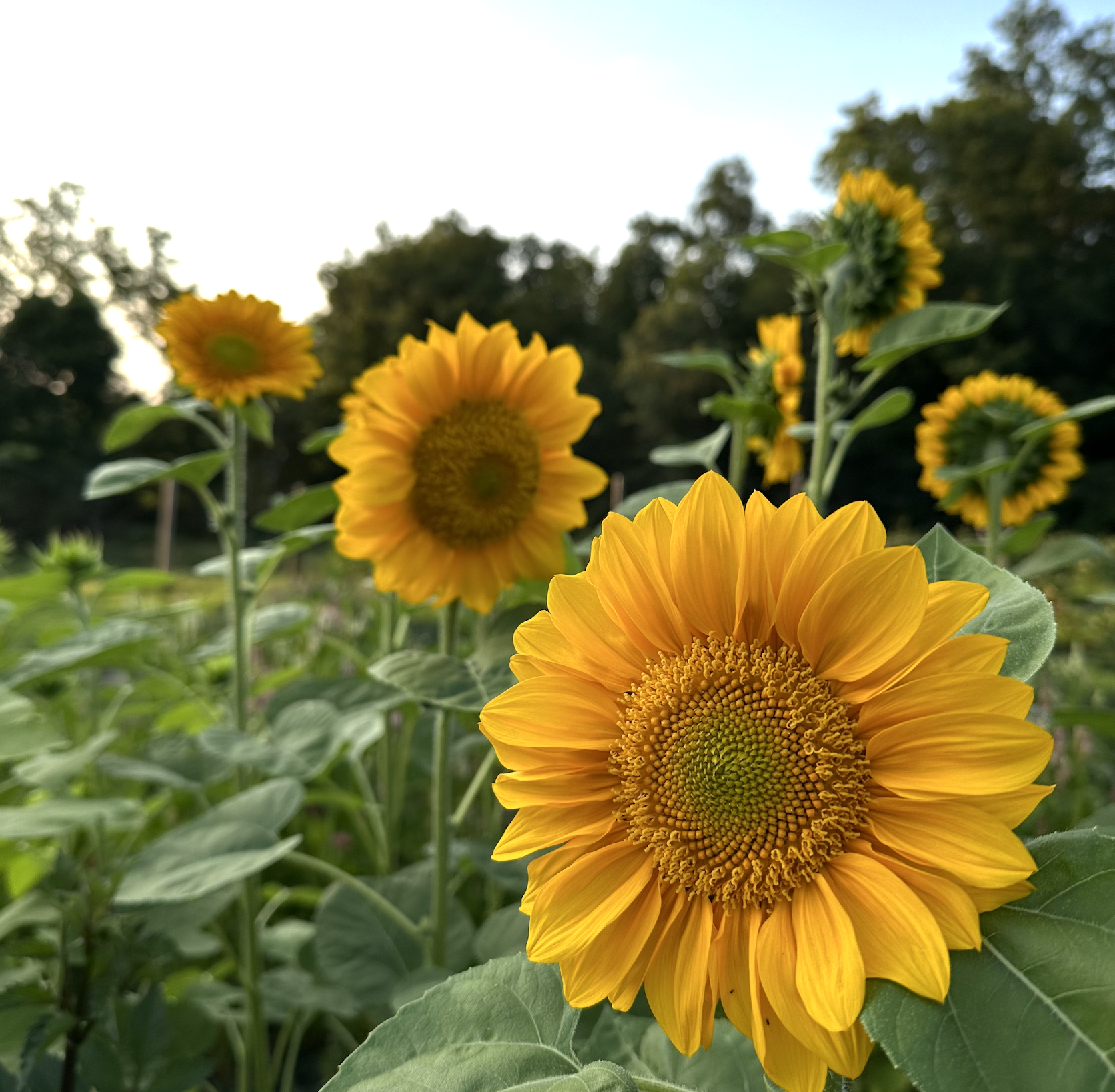
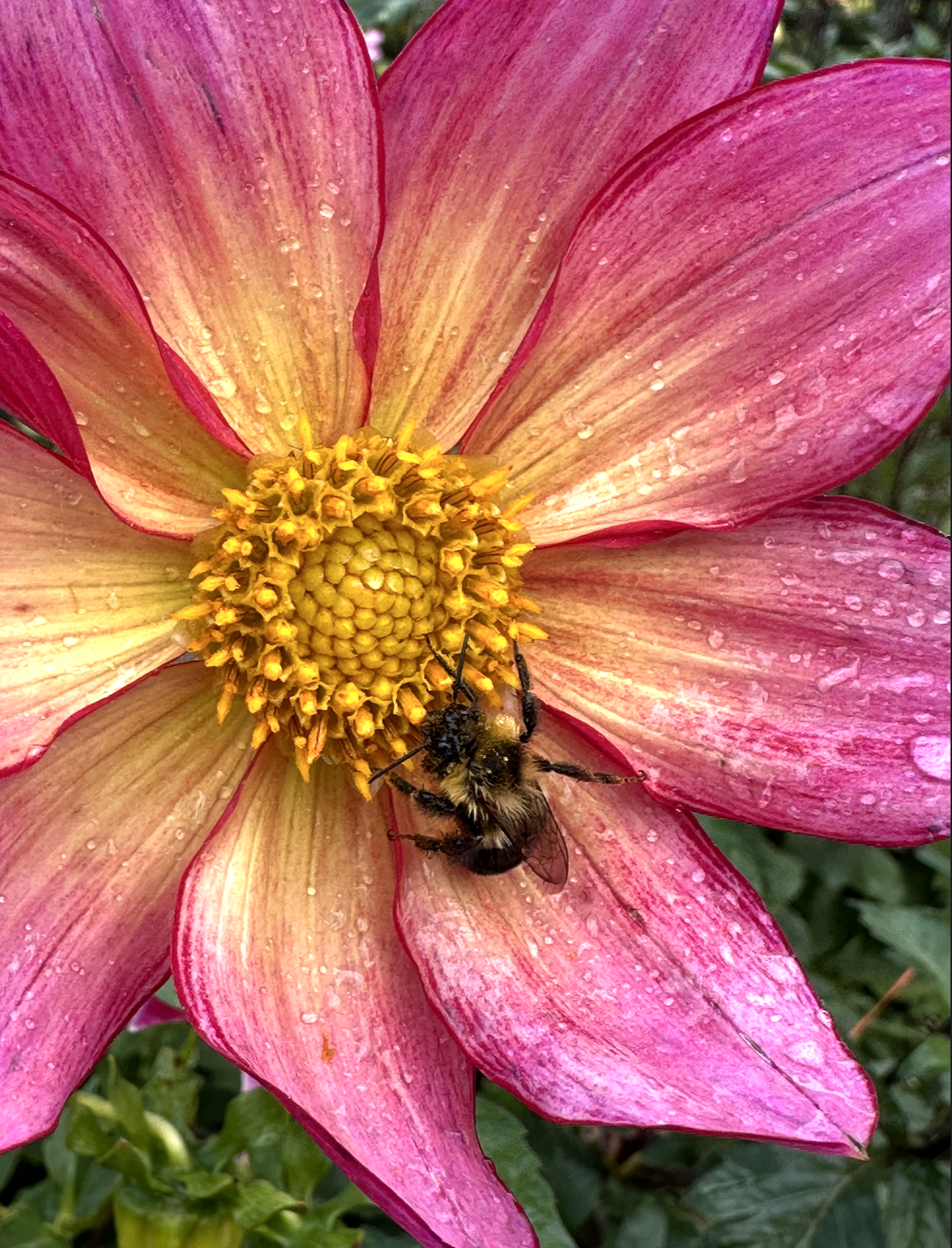
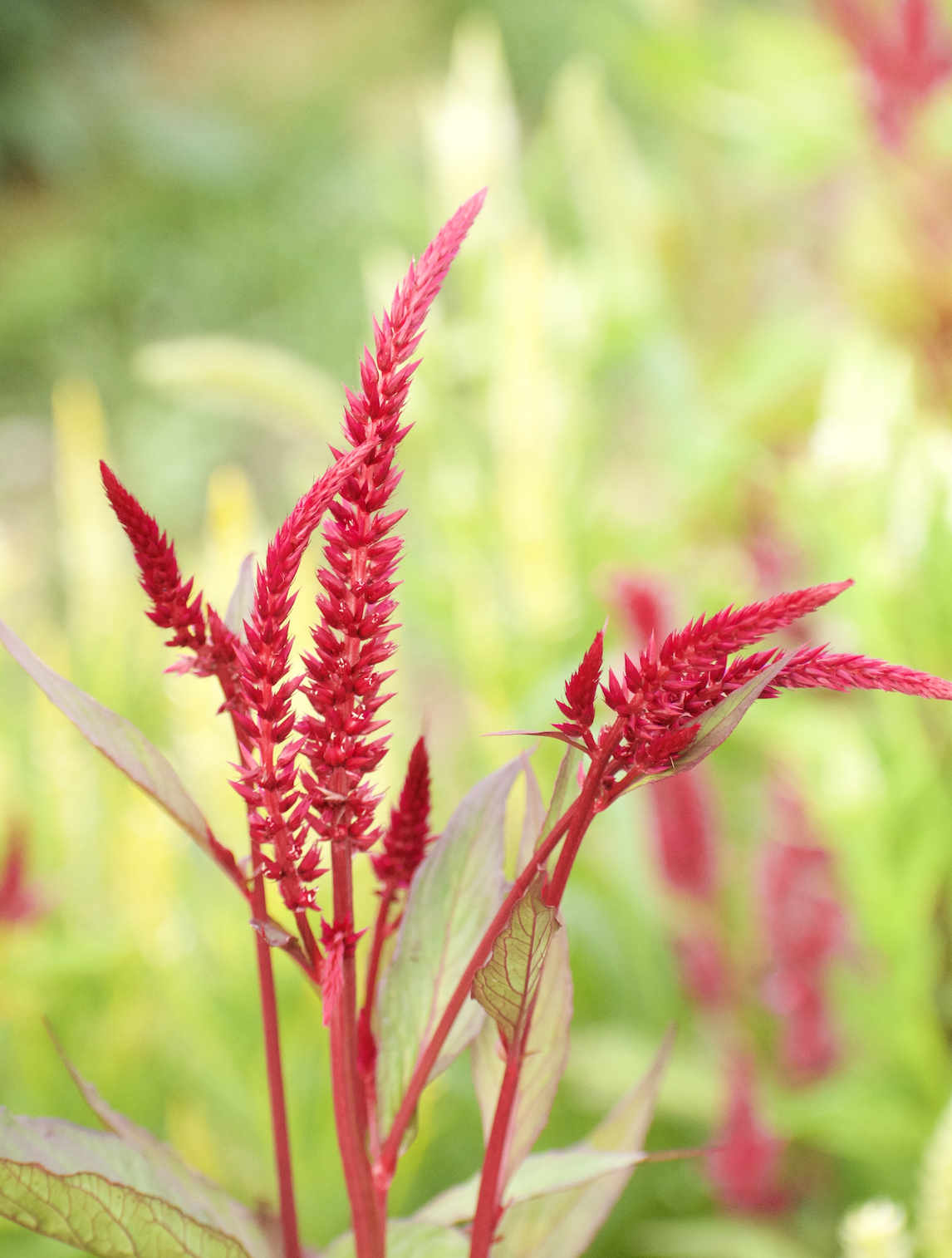
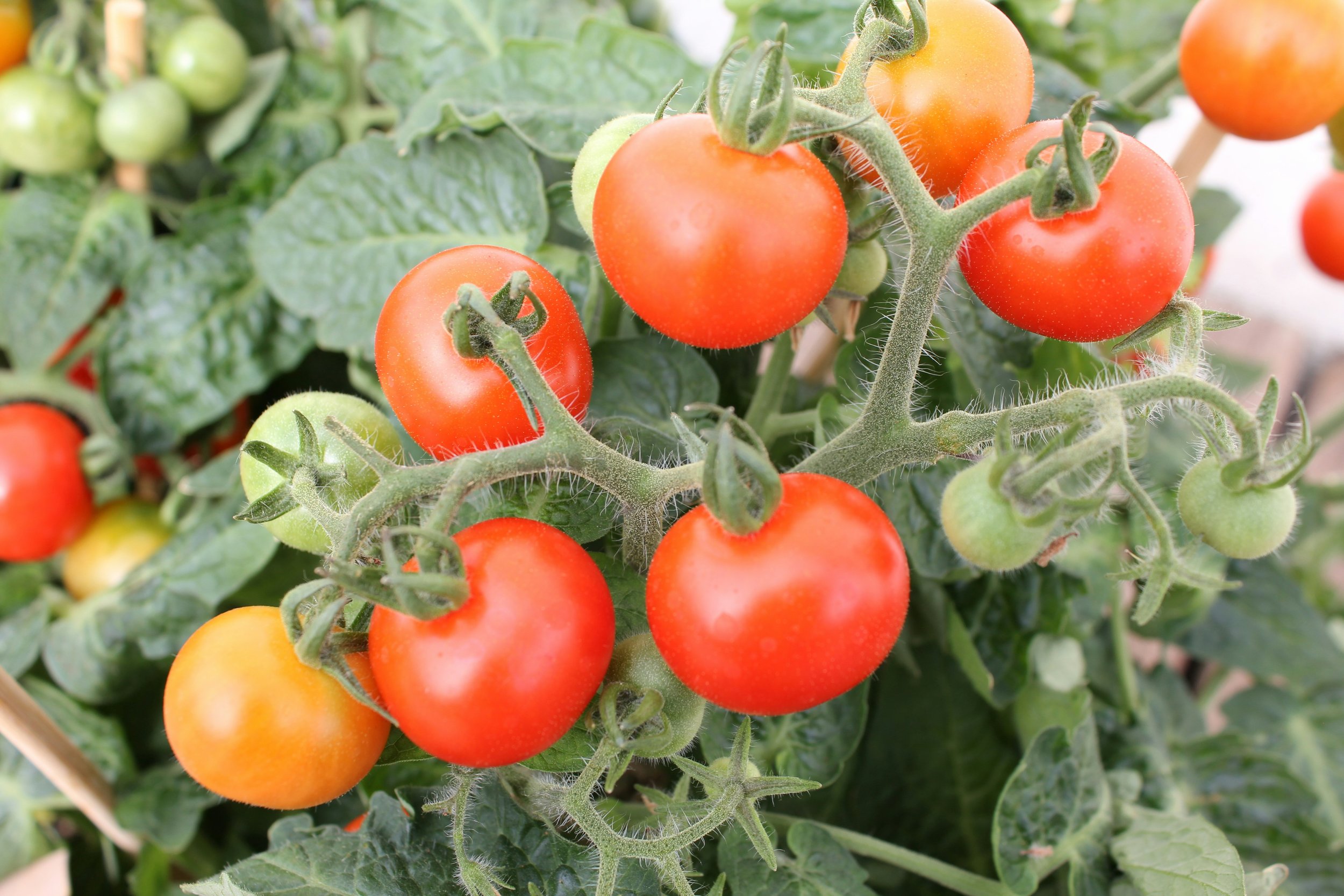
Pictured (top to bottom, L-R): Marigold, Zinnia, Sunflower, Dahlia, Celosia (photos from my farm) and tomatoes (photo from Unsplash)
Bringing Actual Fire into Your Garden
Fire in the garden doesn't have to be metaphorical.
A fire pit or bonfire space is one of the oldest ways humans have gathered with the land… sitting around a fire at the edge of a garden, watching the flames, is a genuinely different experience from sitting on a patio. There's something about fire that organizes attention in a way nothing else does. It's impossible not to watch it… it’s mesmerizing. That quality of focused, present attention is very fire energy… absorbed, alive, fully here.
A sundial is a quieter way to bring fire energy in as it marks the movement of the sun through the day, which is fire's domain. Placing one in a prominent spot in the garden is a way of orienting the whole space toward light, toward the solar cycle, toward the energy that drives everything that grows.
Solar-powered lanterns and candles extend fire energy into the evening, or even just a string of patio lights to change the quality of time spent in the garden after dark.
And simply orienting your garden toward the sun is a fire practice. Noticing where the light falls at different times of day, positioning your most fire-associated plants in the places that get the most direct sun, designing spaces that invite you to sit in full light rather than always seeking shade… these are all ways of working with fire energy that don't require anything more than attention.
Working with Fire Energy in Your Garden
Midsummer is the natural time to lean into fire. It’s the time to be in the garden, to harvest at the peak of bloom, to let the abundance of the season actually land instead of rushing past it. The fire season asks you to be present to what's flourishing right now in all its vibrant and shining glory, and to not think about what's coming next.
A few ways to work with fire energy intentionally:
Plant with boldness. If you've been playing it safe with your plant choices, like lots of white, lots of soft colors, lots of filler, fire season is the invitation to try something that feels like almost too much. Keep it to your tastes, of course, but there’s ways to be a bit more creative and bold. The color combination that maybe feels a bit risky or a plant variety that perhaps feels a bit “too much”. Fire energy supports the leap… and fire energy says “nothing is too much”.
Harvest at peak. Fire energy is about full expression, not conservation. Cut your flowers at their peak rather than waiting. Bring the abundance inside. Let the garden give what it has to give. I saw something the other day that said “flowers aren’t meant to last” (this was in a conversation about extending vase life) and that is the message here. Enjoy the beauty when it’s most potent.
Notice what's thriving. Midsummer is a natural time to look honestly at what's working… in the garden and in your life. What has come into full bloom? What planted in spring has exceeded your expectations? Fire season asks you to acknowledge it, celebrate it, not just move on to the next thing.
Work with the sun. Spend time in the garden during morning light rather than always waiting for the cool of evening. Let the warmth in. There's something about being in full sun, hands in the soil, that connects you to fire energy in a way that's hard to replicate.
Build the fire. Literally. Sit under the summer skies around a fire and watch the flames dance. Look at the colors of the flames and embers, the blue glow of the hottest goals in the depths of the burn. It’s captivating… mesmerizing. Let it stoke the flames in your own life in ways that will move you into acting on something that you’d been ideating on.
Fire, the Seasons, and You
The element of fire doesn't only belong to summer, even though that's when it's most visible. In astrology, fire energy moves through the year in Aries season (spring's spark of new beginnings), Leo season (the height of summer's creative expression), and Sagittarius season (autumn's expansive, searching fire before the world goes quiet).
And fire lives in you too - in your birth chart, in the way your own energy expresses, in the seasons of your life when you've felt most alive, most creative, most yourself.
Notice how you feel in summer versus winter. Notice which of these plants calls to you. Notice what inspires you and what fuels your creativity. Notice where boldness wants to show up in your garden and in your life.
The element of fire has something to teach you and to inspire in you. You just have to be willing to stand in the heat long enough to feel it.
Ready to Grow with Intention?
If this post resonated and you want to take your garden a step further this season, Rooted in Magic is for you. This is a practical guide to growing flowers with elemental intention - including plant guides and suggestions, information to help you plant with the moon, and simple layouts to get you started.
Turn your garden into something even more magical this season.
