
Gardening with the Elements: Water
Flowers, Plants & The Energy of Water in your Garden
I remember one season getting caught in an absolute downpour when I was out at the farm. The type of summer rain that pours like something up above is ringing every ounce of water from the clouds above. I was out harvesting and saw the clouds roll in but didn’t feel like it was necessary to leave. I had a moment in the rain.
I stood there… and let myself get absolutely drenched. I took my hat off and turned my face up towards the sky and just soaked it all in… just like I remember doing as a kid. It was moving… and that’s not an exaggeration.
The garden after a rain is a different place entirely.
Everything is more itself in a way… colors are deeper, scents seem stronger, the soil is dark and alive in a way it isn't when it's dry. There's a stillness that settles after a good rain, a kind of exhale, as if the garden has been holding something and finally got to release it.
That's the energy of water. If you've ever found yourself most at home in the quiet introspective moments, most alive in your emotional life, and perhaps most yourself in the depths of winter when the world goes still… you’re probably quite familiar with this element.
The element of water is the energy of emotion, intuition, depth, and the subconscious. It's the energy of what flows beneath the surface… of the feelings that don't have easy words and of the inner life that runs deeper than any part of the visible world. In the natural world water is associated with winter, with the drawing inward of energy, and with the kind of stillness that isn't emptiness but rather full of something we know but can't quite name. In astrology it belongs to Cancer, Scorpio, and Pisces, the signs known for their nurturing, their emotional depth, their intuition, and their ability to feel what others miss.
In your garden, water shows up in the plants, in the palette, and sometimes quite literally — in the water itself.
How Water Shows Up in the Garden
Water energy in the garden isn't only about atmosphere or mood. It shows up practically — in the plants that are thirstiest, in the colors that carry the element most naturally, and in the actual presence of water itself.
Some of the most water-associated plants in the garden aren't mysterious or nocturnal — they're simply blue, or purple, or deeply dependent on moisture to thrive. Hydrangeas are a perfect example. The word "hydra" is right there in the name — these are plants that need water to survive and show it immediately when they don't have enough. Their blooms shift color based on soil pH, which feels very water — responsive, changeable, emotionally attuned to their environment.
Water energy in the garden is also simply about noticing where water moves — where it pools after rain, which plants the pollinators visit after a shower, how the light changes on wet foliage. Paying attention to actual water is its own practice.
The Colors of Water
The full range from surface to depth.
At the surface you have colors like pale blues, soft purples, whites, and silvers. Delicate, reflective, and luminous. The colors of mist on water, of moonlight, and of something seen just before it disappears.
At the depths… the magic of deeper blues, indigo, and dark purples. The colors of the ocean floor, of the night sky reflected in still water, and of emotions that don't have easy names. Rich, mysterious, shadowy and still.
Both belong here. Water isn't only gentle and pale… it's also deep and dark and sometimes overwhelming. A water garden holds the full emotional range from the softest whisper to the most profound quiet.
If it makes you feel something you can't quite name… still, held, like you’re paying attention… it's probably water.
Plants for the Element of Water
These are some sample suggestions when it comes to plants that could fall into this element. By all means though, research plants for your area and see what you feel called to!
Hydrangea - The name says it all. "Hydra" - water - is built into this plant's identity, and it shows. Hydrangeas are among the thirstiest plants in the garden, wilting dramatically without enough moisture and recovering just as dramatically when they get it. Their blooms in soft blues, purples, and whites sit perfectly in the water palette, and their responsiveness to their environment feels deeply water… changeable and attuned.
Muscari - Also known as grape hyacinth, muscari is one of the earliest blues in the spring garden.. small, deep, and intensely colored. There's something about a drift of muscari in early spring that feels like the first exhale after a long winter. Very water.
Hyacinth - Deeply fragrant and available in the full water palette from palest blue to deep indigo purple. Hyacinths bloom in early spring when water energy is still transitioning from winter, and their fragrance carries in the cool air in a way that feels distinctly of this element.
Scabiosa - Soft, papery blooms in pale lavender and lilac (among other colors), scabiosa has a delicacy that sits perfectly in the water palette. It's a gentle plant, not necessarily dramatic. It just quietly does what it does, as it freely sways on tall lean stems… which feels right.
Brunnera - Heart-shaped leaves and tiny forget-me-not-like flowers in the softest blue. Brunnera loves shade and moisture and it thrives in the cooler, quieter parts of the garden. Its variegated silver varieties also carry that reflective quality that belongs to water energy.
Forget-Me-Nots - Perhaps the most water of all names for a plant. Forget-me-nots are small, soft, and intensely blue and they self-seed freely and show up in unexpected places, like memories surfacing when you're not looking for them. They're associated with remembrance, with emotional connection, and with the things we carry beneath the surface. Even the name “forget-me-not” carries emotional weight to it. But careful, these can be considered invasive in some areas so do check in your location.
Lilac - Often associated with nostalgia and first loves, lilacs are always a welcome bloom come early spring. As someone with a May birthday, these gorgeous cool flowers in shades of purples (along with pinks and whites) do carry the memories of years past. They’re fleeting once off the stem, not lasting long in a vase, which make you feel even more present when they’re blooming. They encourage you to hold on for an extra moment and to sit with the joy that these delicate flower clumps provide before, just as quickly as they showed up, they’re gone.
Veronica/Speedwell - Deep blue-purple (also in pink or white) spikes that bloom in early summer, veronica carries the depth end of the water palette in a practical, garden-worthy plant. It's easy to overlook because it isn't showy, but that's part of its water quality and the depth is there if you look for it. And, when you do notice it, you’ll notice it makes a stunning addition to cut flower bouquets.
Blue Salvia - Rich, true blues that hold their color even in full sun. Blue salvia is one of those plants that earns its place through reliability and depth rather than drama… it just keeps going, keeps giving, quietly and steadily. There are so many varieties of this plant, and it’s become a personal favorite in recent years. Also beloved by pollinators, particularly bees.
Baptisia - Deep indigo blue and one of the most striking true blues in the perennial garden (and also native in many areas). Baptisia is slow to establish but extraordinarily long-lived… once it's settled in, it's there for decades. That combination of depth and patience feels very water.
Iris - One of the oldest water-associated plants in the garden, many varieties of iris grow at the water's edge and carry the deep blues and purples of the element naturally.
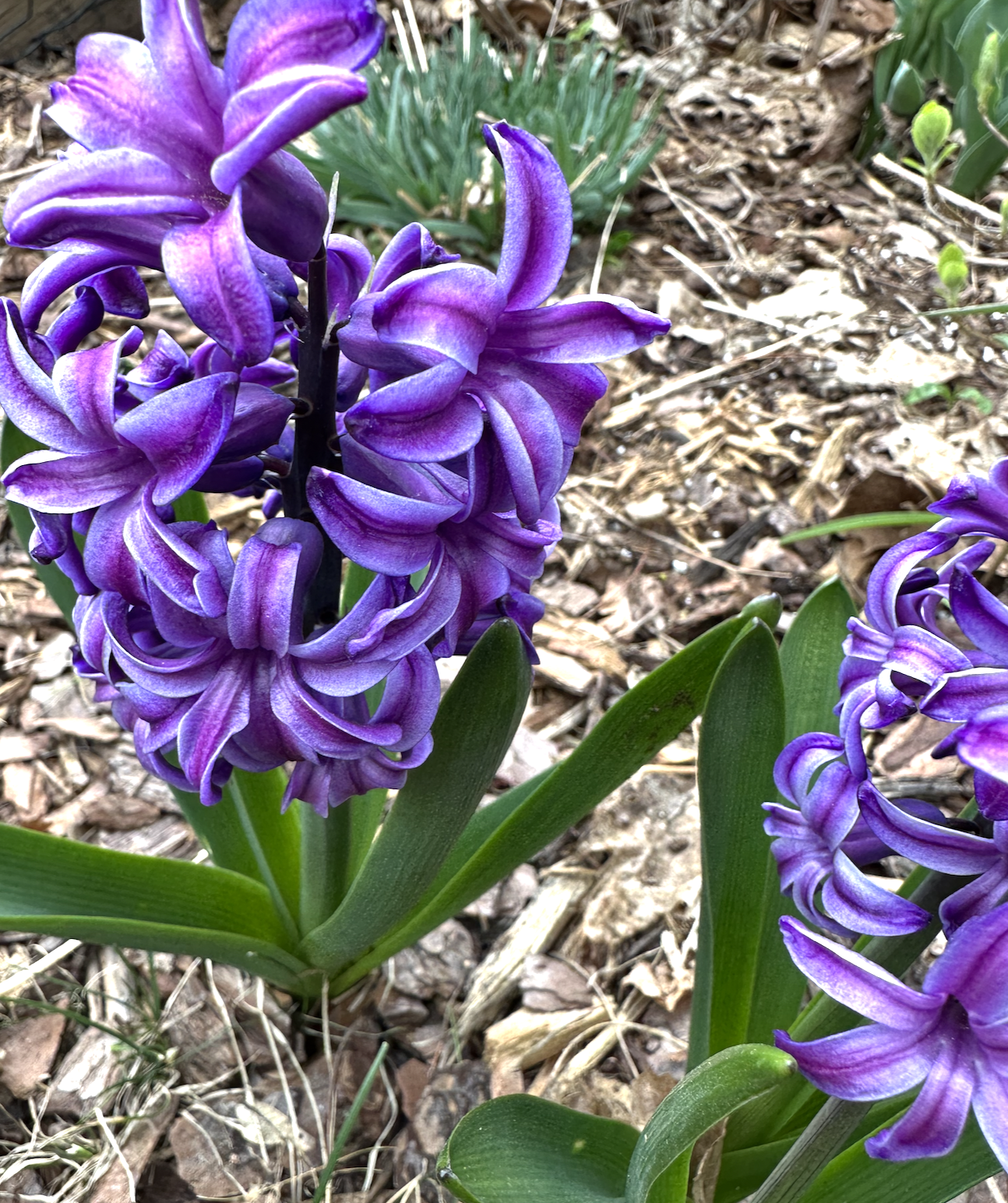
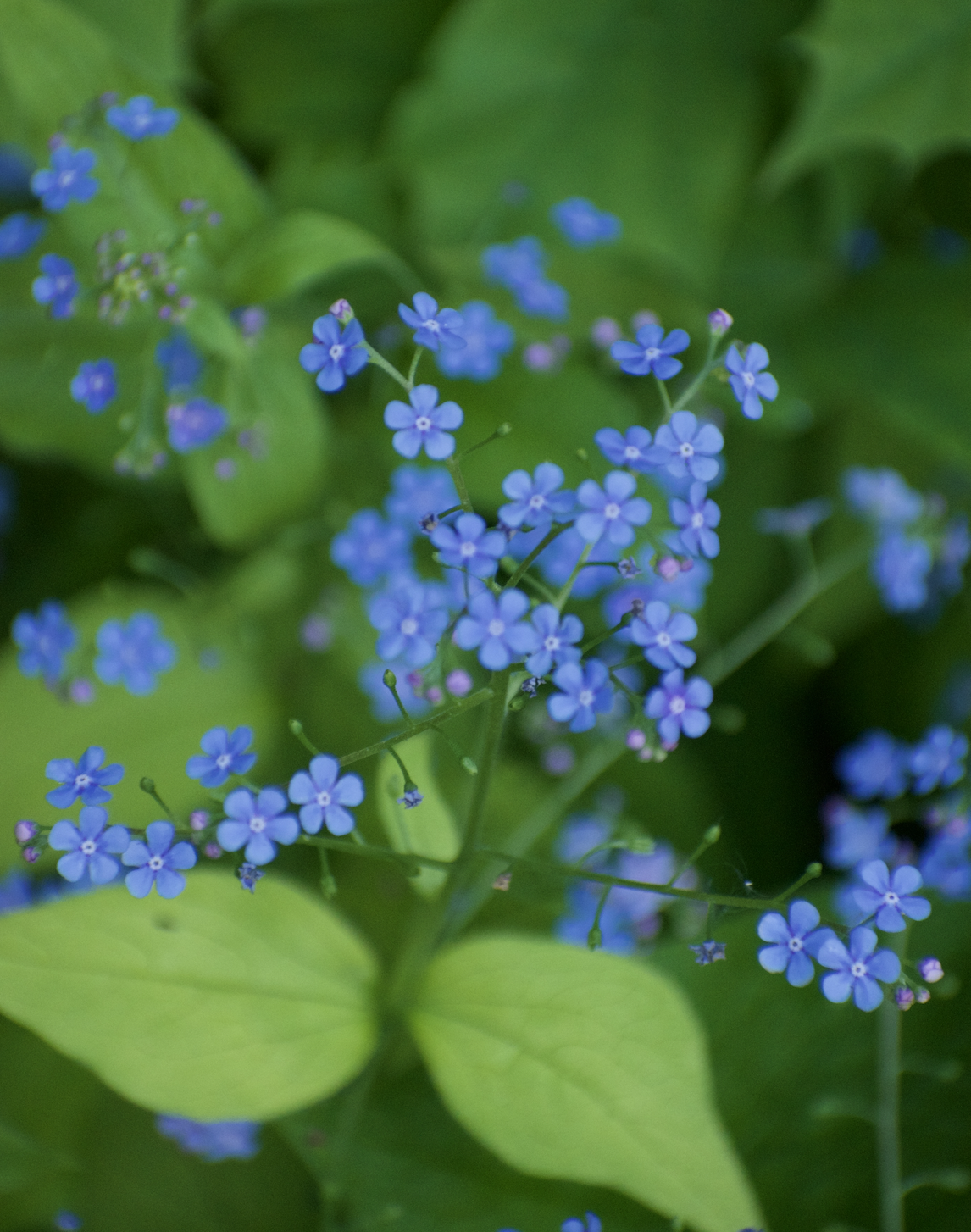
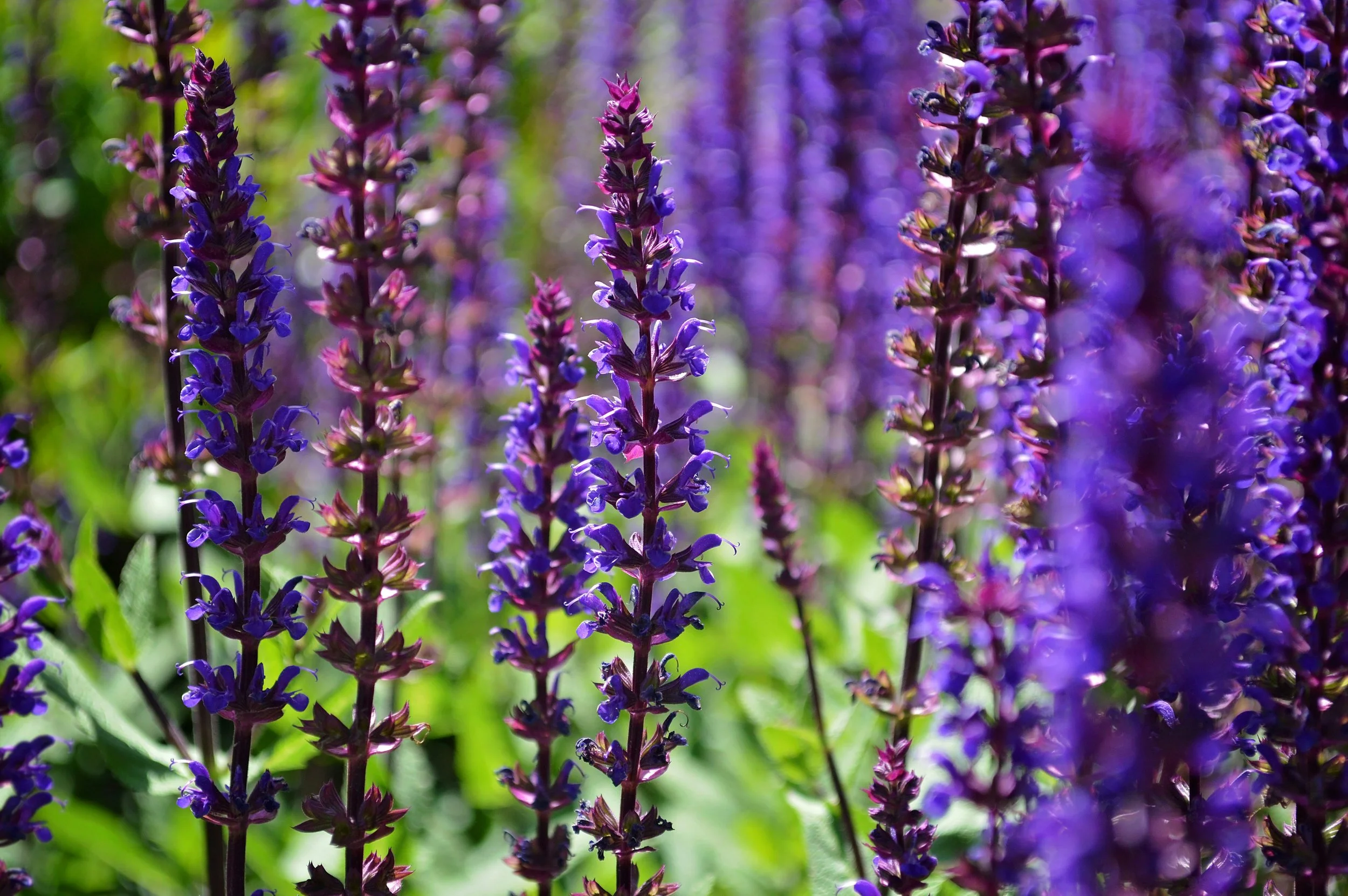
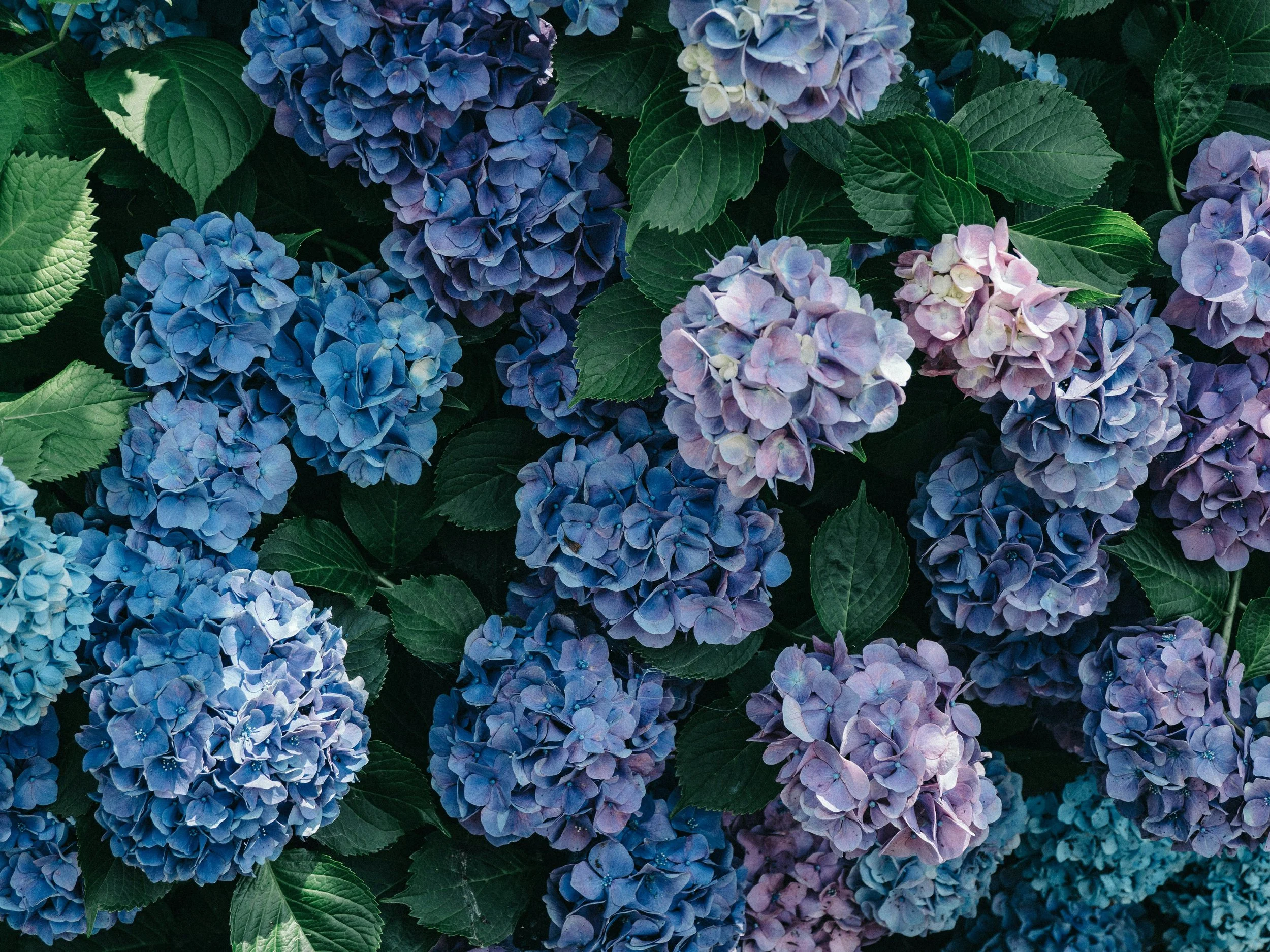
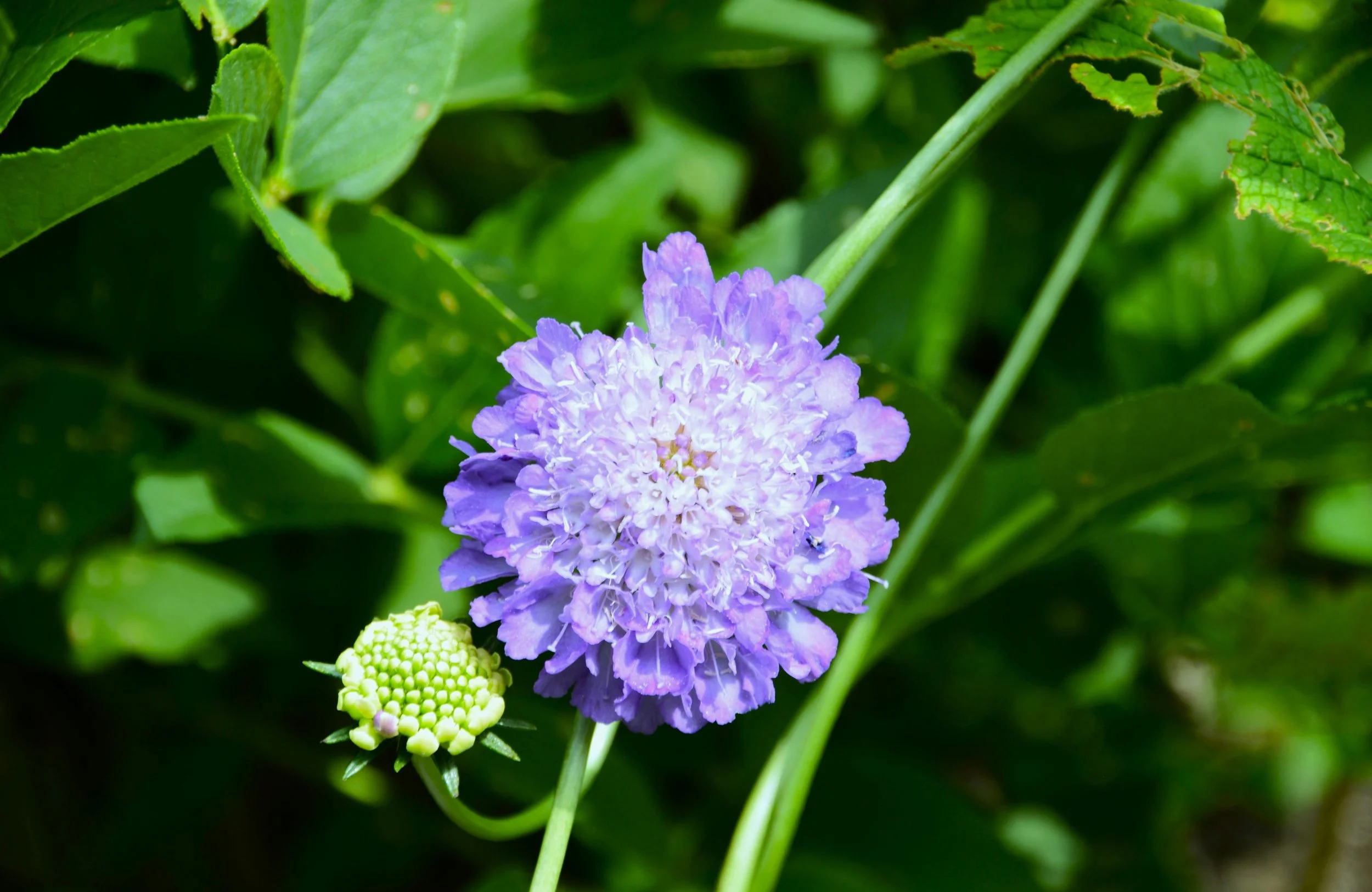
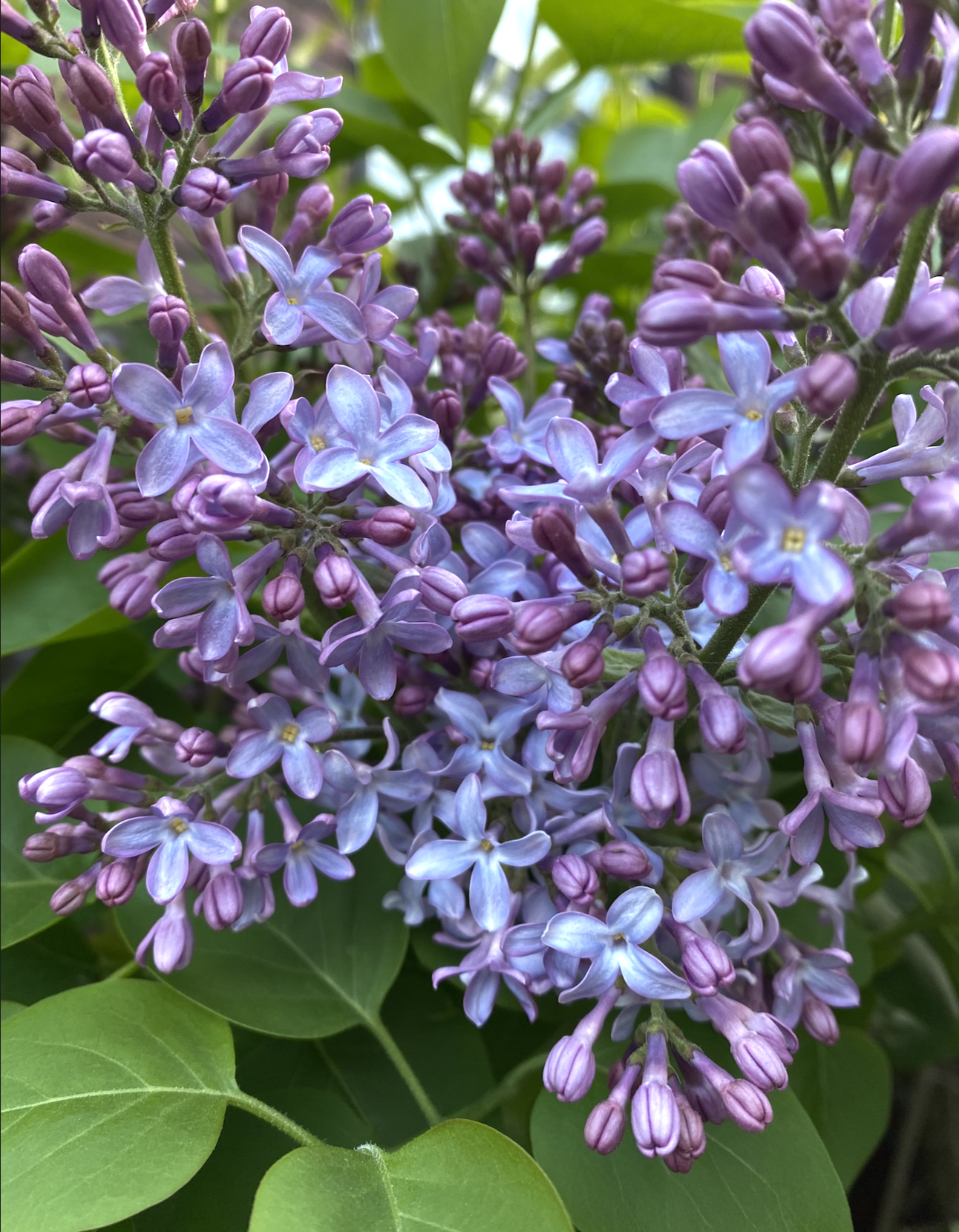
Pictured (top to bottom, L-R): Hyacinth, Brunerra, Salvia, Hydrangea, Scabiosan Lilac (photos from my farm and Unsplash)
Bringing Actual Water into Your Garden
One of the simplest ways to work with water energy in the garden is to bring water itself in.
A birdbath doesn't need to be elaborate, even a shallow dish on a pedestal changes the quality of a space and helps the tiniest insects have a safe landing spot when they’re thirsty.. Water reflects the sky, attracts wildlife, and creates a stillness that makes everything around it feel more alive. On a calm day, a birdbath holds a perfect small mirror of whatever is above it… clouds, branches, the quality of light. That reflective quality is very water energy.
A small wildlife pond goes even further, creating habitat, supporting an entire ecosystem of insects, frogs, and birds, and introducing the sound of moving water if you add a small fountain or pump. There's something about the sound of water in a garden that slows the nervous system in a way that's hard to replicate with plants alone.
Even a container water garden (a large pot sealed and filled with water, perhaps with a small aquatic plant or two) brings water energy into a small space. I made one of these and not only was it surprisingly simple, but it was an added treat to look at the aquatic plants at the local nursery. The presence of actual water changes the feeling of a garden in ways that go beyond aesthetics.
Working with Water Energy in Your Garden
Winter is the natural time to lean into water… to let the garden rest, to spend time observing rather than doing, to tend the inner garden when the outer one is quiet. Even to dream about what the garden next season can look like. But water energy is available whenever you're willing to slow down enough to feel it, and that means even in the prime of garden season.
A few ways to work with it intentionally:
Garden in the quiet hours. Early morning or evening, when the light is softer and the world is less busy. Water energy asks for conditions that support depth and it's harder to go deep when everything is loud and bright and fast.
Let things be. Resist the urge to keep the garden perfectly legible at all times. Let some corners be shadowy. Let some plants do what they want. Water energy lives in the parts of the garden you don't fully control.
Notice your emotional weather while you garden. The repetitive physical work of gardening creates space for things to surface. It creates a mindful sort of presence and when it does. water energy asks you to notice what comes up… and to let it.
Stand in the rain sometimes. Trust me. You don't have to be productive out there. Sometimes the most water thing you can do in the garden is exactly what I did that summer… take your hat off and let yourself get drenched.
Water, the Seasons, and You
Water energy moves through the year in Cancer season (summer's emotional, intuitive, home-centered depth), Scorpio season (autumn's transformative, intense, psychologically rich water), and Pisces season (late winter's mystical, surrendering, spiritually open water and the closing of the astrological year).
And water lives in you too… in your birth chart, in the way you relate to your emotional life, in the seasons when you've felt most deeply yourself and most connected to something beyond the surface of things.
Notice how you feel in winter versus summer. Notice which of these plants calls to you. Notice what tending the garden stirs in your. Notice where depth wants to show up in your garden… and maybe in your life, too.
The element of water has something to teach you… and something to feel. You just have to be willing to be still long enough to let it move you.
Ready to Grow with Intention?
If this post resonated and you want to take your garden a step further this season, Rooted in Magic is for you. This is a practical guide to growing flowers with elemental intention - including plant guides and suggestions, information to help you plant with the moon, and simple layouts to get you started.
Turn your garden into something even more magical this season.
