
Gardening with the Elements: Air
Flowers, Plants & The Energy of Air in your Garden
Pay attention to your garden on a spring morning and you'll notice it before you see it.
The scent of something sweet carrying on a breeze that wasn't there a moment ago. The way the branches move when everything else is still. The sound of birds before you spot them. Air announces itself through sensation rather than appearance… and if you've ever felt most alive when you're learning something new, making unexpected connections, or standing somewhere with a wide open view… this element might be a bit more familiar than you think.
The element of air is the energy of movement, communication, curiosity, and new ideas. It's the energy of the mind… our thoughts, conversations, and that kind of restless intelligence that needs to keep moving to feel alive. In the natural world air is associated with spring, with the return of birdsong, the possibility of a spring bulb pushing through the soil, and in the way energy begins to move again after the heavy stillness of winter. In astrology it belongs to Gemini, Libra, and Aquarius, the “relational” signs known for their curiosity, their sociability, and their ability to see connections others miss.
In your garden, air shows up as the plants that move as they dance on the breeze and the plants that add a touch of whimsical wonder.
How Air Shows Up in the Garden
Air energy in the garden is less about weight and more about lightness. It's the cosmos swaying on their long stems and the sweet pea reaching and climbing toward whatever it can find. It’s the dill so delicate it almost disappears against the sky, yet we’d still know its there because its scent is carried on the wind.
Air plants tend to be airy in their very structure… they’re wispy, whimsical, delicate, and open. Many are strongly scented, because scent is how the garden communicates through the air, carrying messages across the garden to pollinators, to other plants, and to anyone else paying attention (raising my hand joyfully here). They're often self-seeders, spreading freely and showing up in unexpected places, which feels very true to air… movement, spontaneity, and the refusal to stay exactly where you put them.
Growing air plants is an invitation to stay curious and to follow what moves you. It’s an invitation to let the garden surprise you.
The Colors of Air
Whites, silvers, soft blues, pale lavender, and pastels generally.
This is the palette of early morning and of clouds. Of the in-between quality of spring light… present but not yet fully committed like it will be later in summer… luminous without being scorching. These are colors that feel like they're barely there and that catch the light rather than absorb it.
When you're choosing plants for an air garden, reach for the colors of mist and dawn… soft, cool, and perhaps a touch ethereal. The silvery artemisia that almost glows. The pale lavender buds on slender stems. The orlaya that disappears into the sky behind it.
If it makes you feel light and whimsical, it's probably air.
Plants for the Element of Air
Lavender - Perhaps the most air of all plants… strongly scented, beloved by pollinators, swaying constantly in the breeze. This is a plant I am somehow never able to get enough of. Its soft purple-grey color sits right in the air palette and its scent carries extraordinary distances. It sometimes feels like a plant that communicates, especially that of peace, calm and tranquility.
Sweet Peas - Climbing, reaching, delicately scented, and available in the softest pastels imaginable. The flowers are delicate and the delicate tendrils growing off of them are whimsical. Sweet peas embody air energy completely for they move, they reach, they fill the air with fragrance, and they're over almost before you've fully appreciated them (they don’t love the heat). They are very air.
Nigella - Also called love-in-a-mist, which tells you everything. Nigella has that quality of being almost not quite there with its delicate, wispy, center surrounded by a haze of fine foliage. It’s the most unusual yet beautiful addition to a garden, and its seed pods are equally charming.
Brunnera - This early-season perennial feels like you’ve found your way into a magical forest where the faery wander. Delicate tiny blossoms dance on top of varigated leaves (some more green, some silvery, some bluish… lots of variety).
Cosmos - Long-stemmed, lightweight, and swaying constantly. Cosmos are one of the most graceful (and favorite, easy-to-grow) plants in the garden for they’re never still and never heavy. It seems like they’re always moving with whatever breeze finds it - a gentle wind or a strong surge, yet they simply sway. Its soft pinks and whites sit comfortably in the air palette.
Fennel - Feathery, delicate, and strongly scented. Fennel moves in the slightest air and its anise fragrance carries on the breeze. A favorite of pollinators and a classic air plant.
Basil - Another delicate and strongly scented herb, this is a staple in the garden each year. Specifically, the lemon-scented basil that I use in my bouquets. Atop the beautiful light green foliage grow tall spires that dance amongst the breeze. And when the flowers bloom, it creates even more of a whimsical show.
Orlaya - This late-spring favorite has self-seeded in the garden and I am not disappointed by it. The disc-shaped tops are made of small white flowers, creating the look of a delicate lace atop strong green stems. It is naturally delicate in color and texture, and it’s a favorite of pollinators as they flutter about.
Grasses - Any ornamental grass belongs in an air garden simply because of the way it moves. Nothing makes air visible quite like a stand of grass in a breeze, wouldn’t you agree? One of my favorites is Frosted Explosion Grass due to its delicate airy ends that look like they have dew drops dazzling on them. But I’ll warn you now that it will happily show up everywhere the following year.
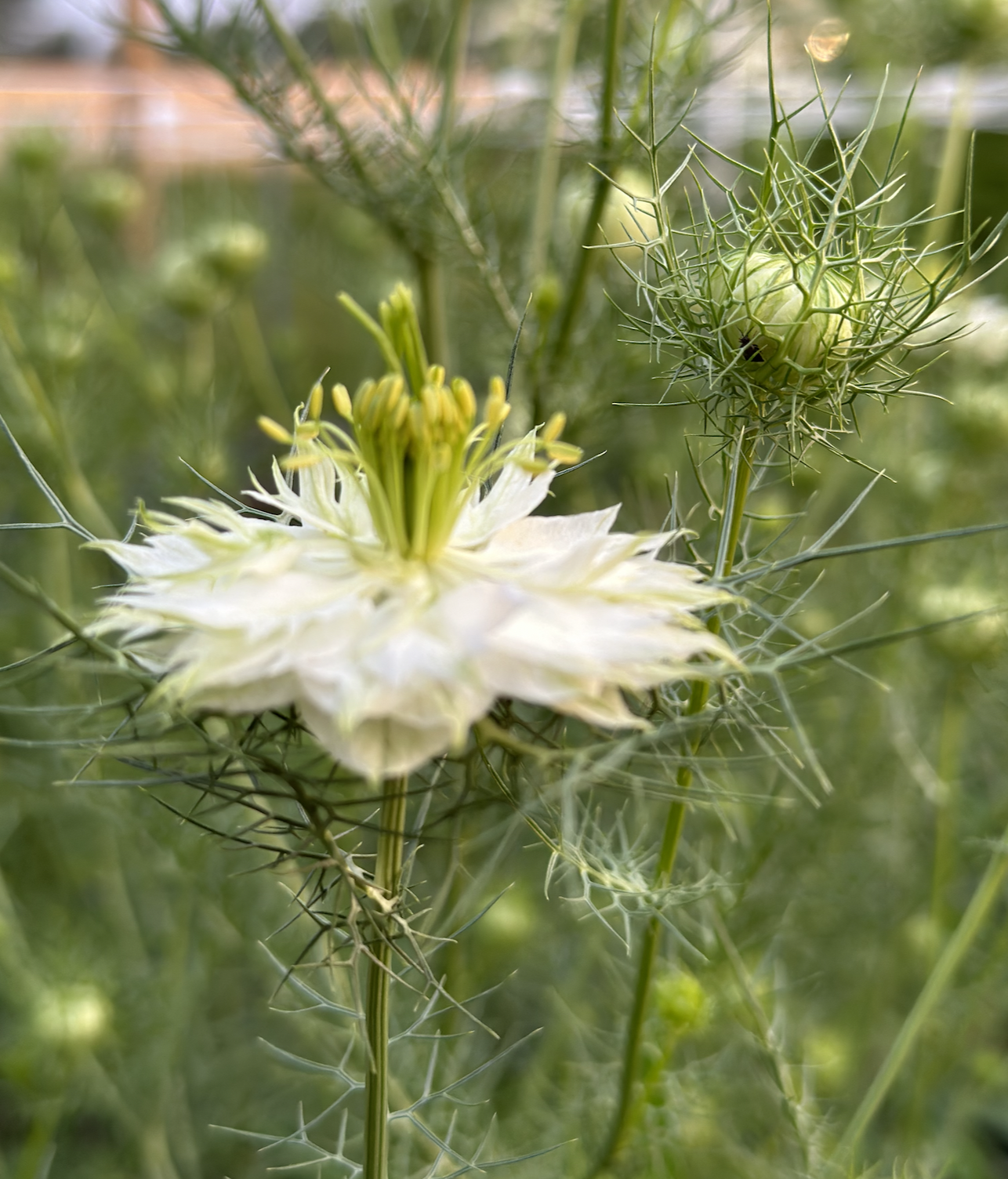
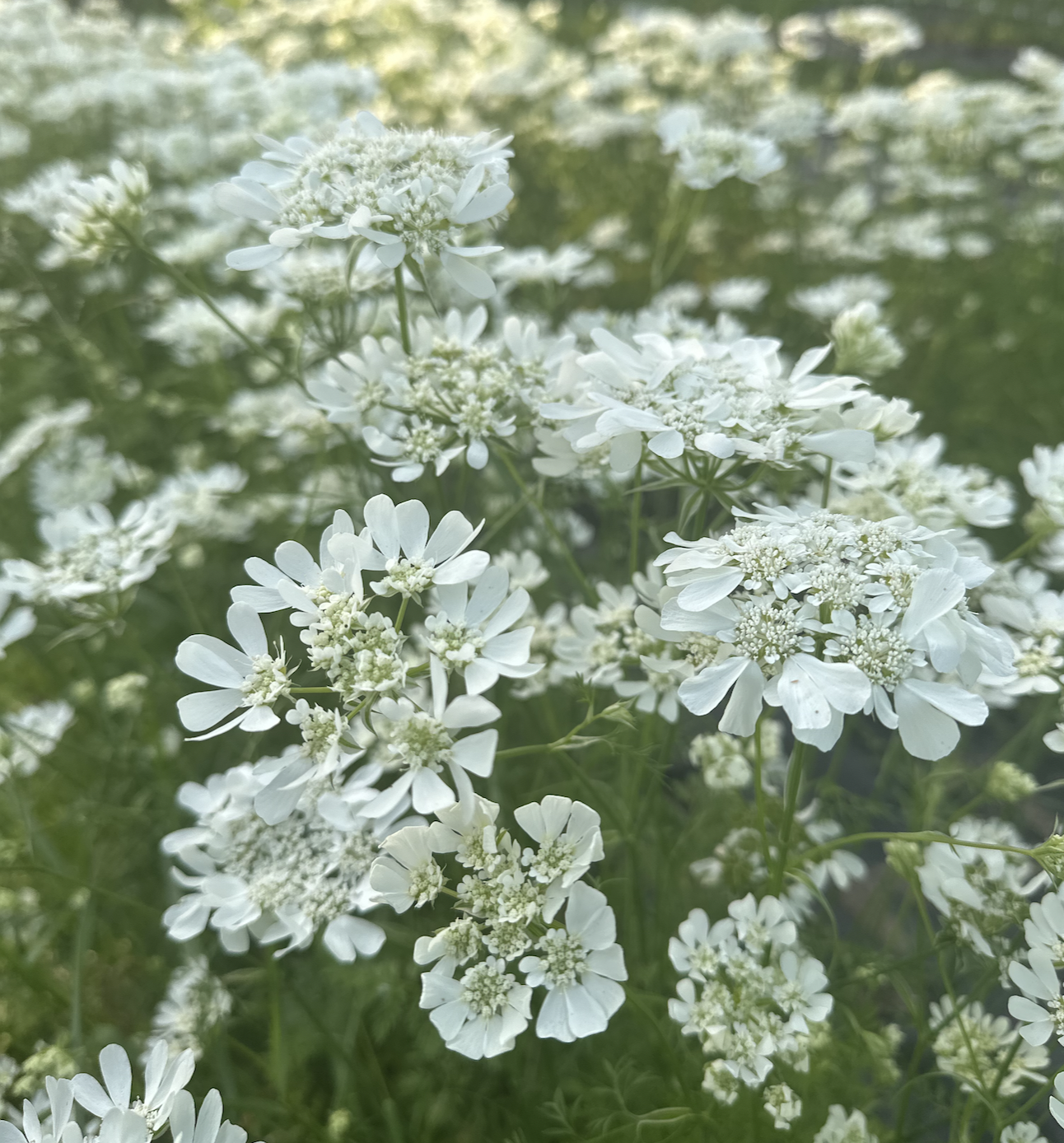
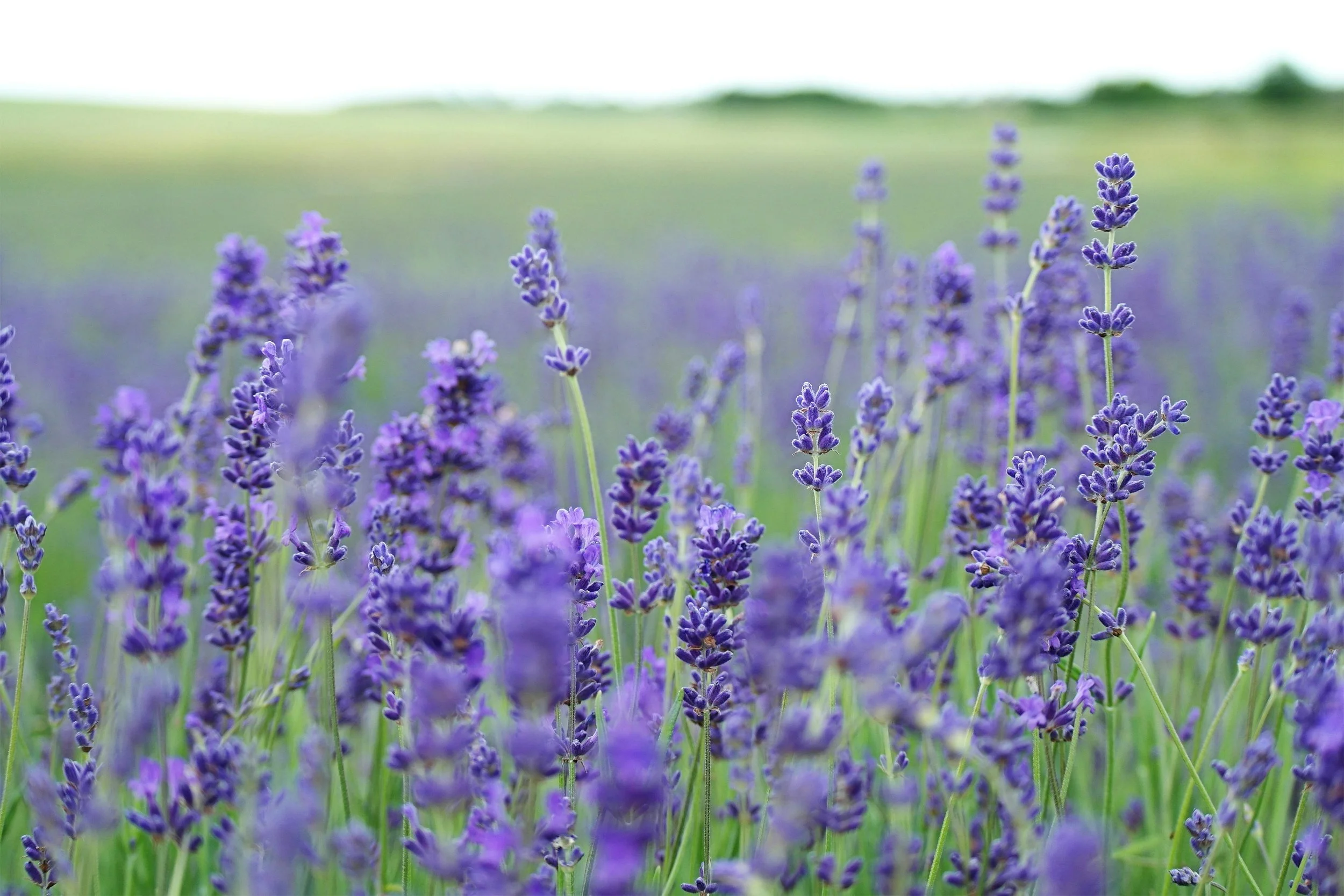
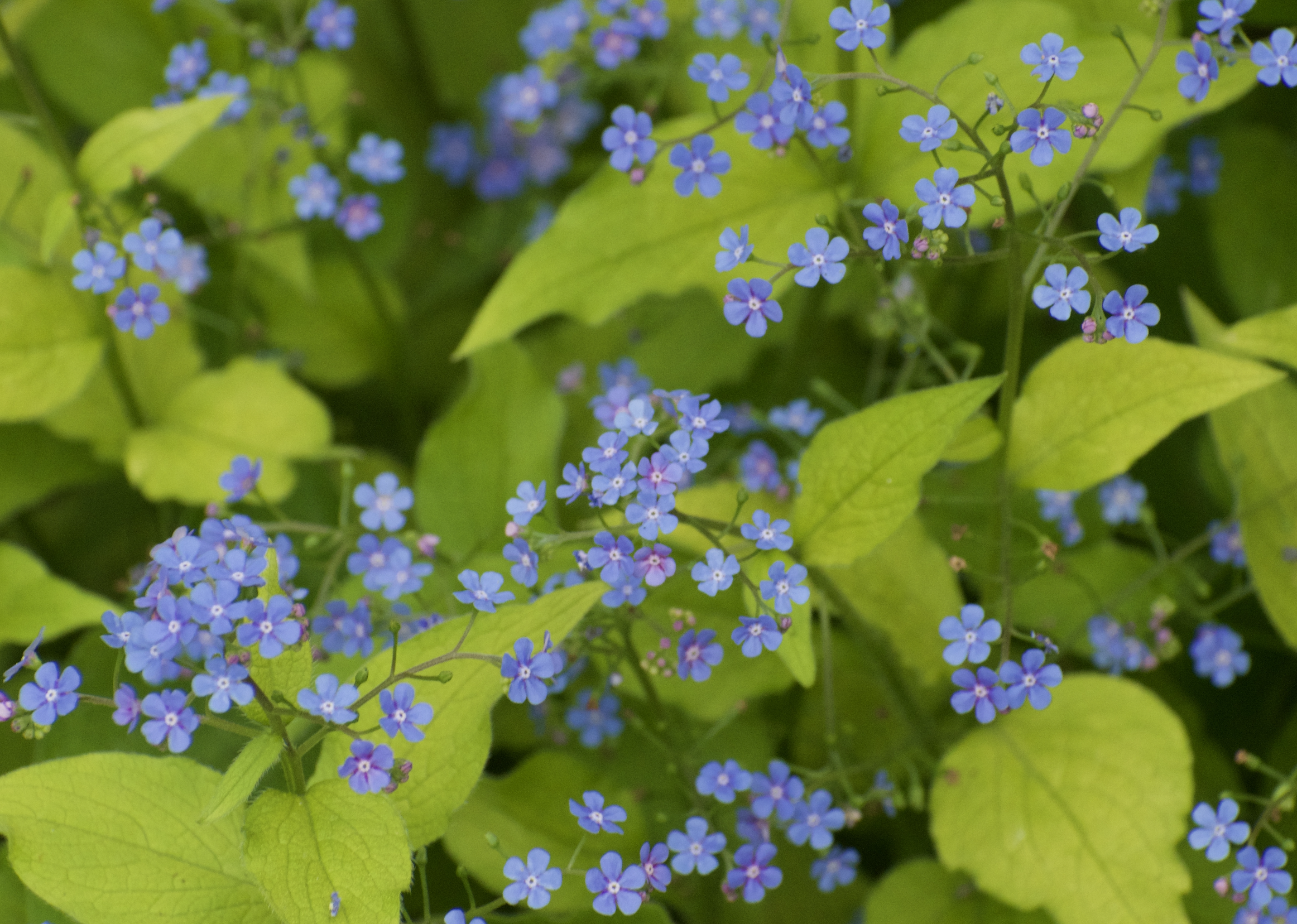
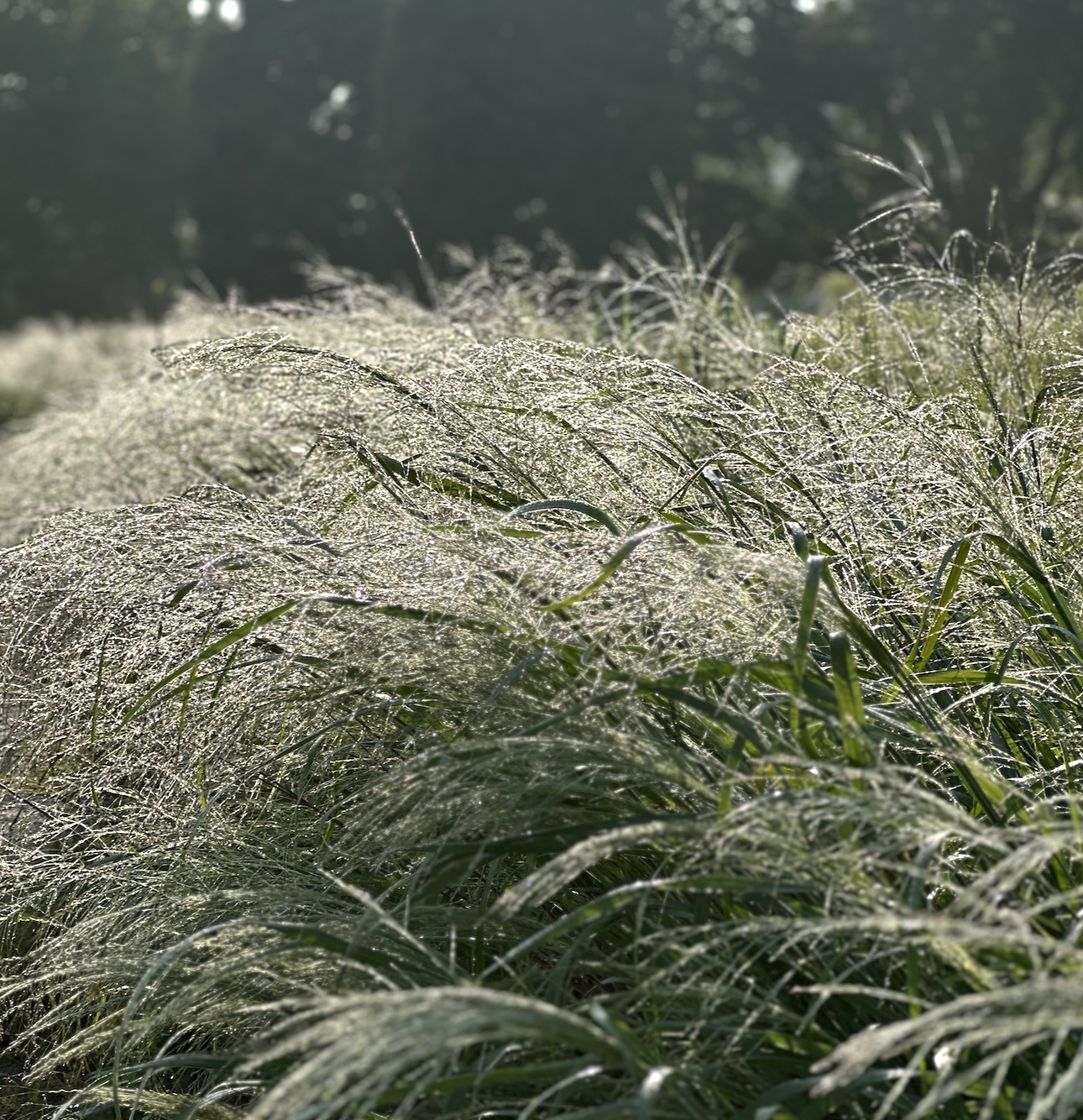
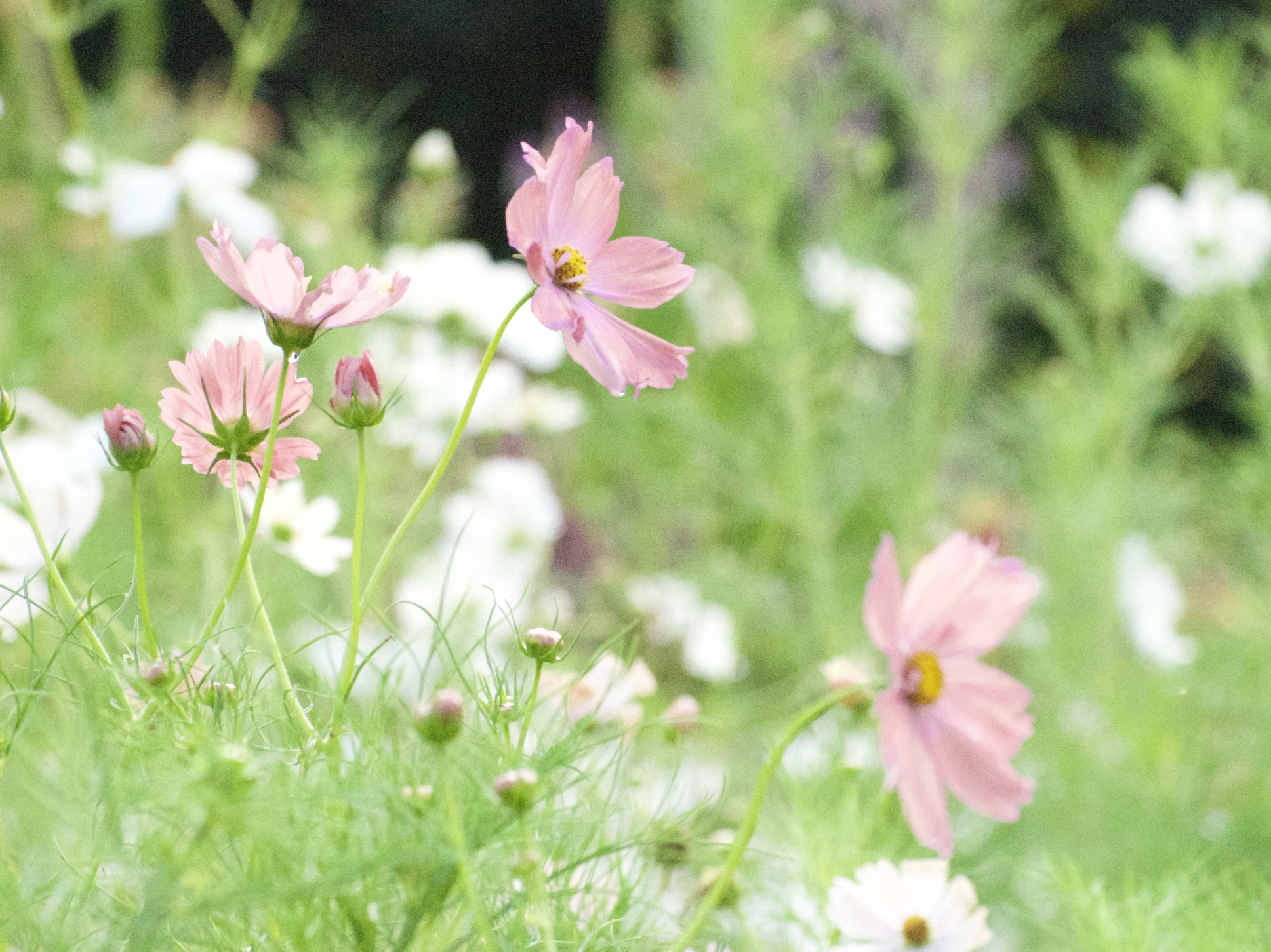
Pictured (top to bottom, L-R): Nigella, Orlaya, Lavender, Brunnera, Frosted Explosion Grass, Cosmos (images from my farm, lavender from Unsplash)
Working with Air Energy in Your Garden
Growing plants associated with air is one layer, but working with air energy while you garden is another one, and the combination of both is where the real magic happens.
Spring is the natural time to lean into air… to plant seeds with curiosity rather than with certainty, to follow what interests you rather than what's practical, and to let the garden be a place of experimentation and discovery. Air energy supports the beginning of things, the asking of questions, and the willingness to try something new without knowing how it will turn out.
A few ways to work with air energy intentionally:
Plant for scent. Air energy travels through fragrance so choose plants whose scent carries, and then notice where it takes you. Scent is one of the most direct pathways to memory and emotion, which makes a fragrant garden a surprisingly powerful place to spend time.
Let things self-seed. Resist the urge to control exactly where everything grows. Air plants are natural self-seeders so let them move around the garden and see what conversations they start with their neighbors. Some of the best garden combinations happen by accident. (An quick note here, it’s important to pay attention to invasive species however. Do research for your areas and plant accordingly.)
Follow curiosity. Air season is not the time for rigid plans. If something catches your attention, such as a plant you haven't grown before or a combination you haven't tried, follow it! The air element supports the impulse toward novelty and exploration. Besides, there are no “rules” when it comes to a garden… do what leads you.
Notice the breeze. Spend time in the garden just watching what moves. There's a kind of meditation in it as you track the invisible through what it touches. Air energy asks you to pay attention to what you can't see directly, only infer from its effects.
Hang a wind chime. Listening to the wind amongst the leaves and trees is a beautiful, peaceful practice. And if you want to hear it even more intentionally, a wind chime can be a beautiful addition to any garden as a way to capture the wind and turn it into a melody. I was gifted a Corinthian Bells® wind chime years ago and it’s one of my most treasured outdoor accessories (highly recommended!)
Air, the Seasons, and You
Air energy moves through the year in Gemini season (late spring's curious, communicative, restless energy), Libra season (autumn's reflective, relational, beauty-seeking air), and Aquarius season (the depth of winter's visionary, independent, forward-thinking air).
And air lives in you too… in your birth chart, in the way your mind works, in the seasons of your life when you've felt most curious, most connected, most like ideas were coming faster than you could catch them.
Notice how you feel in spring versus autumn. Notice which of these plants calls to you. Notice how you feel whimsical as the wind blows. Notice where curiosity wants to show up in your garden… and in your life, too.
The element of air has something to teach you… and wants to communicate with you. You just have to be willing to listen and follow where it leads.