
Gardening with the Elements: Earth
Flowers, Plants & The Energy of Earth in your Garden
When was the last time you looked down and noticed your hands filthy from the garden? Can you remember what you felt… that satisfaction, that particular sense of calm… that comes from working with your hands in actual soil?
And not the idea of it but the thing itself… the weight of it, the smell of it, the way it holds an impression of your fingers after you've pressed a seed into place. It's grounding in the most literal sense. And if you've ever noticed that spending time in the garden makes you feel more like yourself, more settled, and maybe even a bit more real, that's earth energy doing what it does.
The element of earth is the energy of stability, patience, abundance, and deep rootedness. It's the energy of the physical world… of our bodies, of land, and of the slow and steady work that actually sustains things over time. In the natural world earth is associated with autumn, with the harvest, and with the drawing down of energy from the visible world into the roots and the soil where it will wait out the winter. In astrology it belongs to Taurus, Virgo, and Capricorn - the signs known for their groundedness, their reliability, and their relationship with the material world.
And in your garden, earth shows up as the plants that keep you there in the moment and those that know how to wait.
How Earth Shows Up in the Garden
Earth energy in the garden is about depth and staying power. It's the perennial that comes back year after year, more established each time. The deep root system you don't see but can feel in the plant's steadiness as winds whip up. It’s the soil itself… dark, rich, alive with everything that has broken down and become nourishment for what comes next.
Earth plants tend to be grounding, practical, sensual and generous. Many have long histories of use in herbalism and folk medicine given they’re plants that sustain, nourish, and have been relied upon across generations. Oftentimes they're not necessarily showy in the way fire plants are (although some can be in their own way), but their beauty is more reserved and almost more enduring.
But earth plants are also sensual, so this is where I tend to embrace scented plants, too. Think of a cinnamon basil plant or a scented geranium. The foliage in a bouquet that captivates your senses does that same when it’s standing strong in the garden.
Growing earth plants is an act of commitment in a way. It’s an act of saying yes to the slow and steady work, to the long-term view, and to the kind of abundance that builds over time rather than arriving all at once.
The Colors of Earth
Greens, browns, deep burgundies, rust, and ochre.
The palette of the forest floor or the autumn harvest. The palette that comes along with the turning season. You have a picture in your mind, don’t you? These are colors that feel like they belong to the land itself… warm, rich, and grounded. Nothing too electric or startling. Nothing too light or whimsical. Everything deep, settled and sure.
When you're choosing plants for an earth garden, reach for the colors of late summer and autumn, like the deep wine of a dahlia, the moody purple of a heuchera, or the rich green of a fern in the shade. Think of the colors that make you feel held in a way, that make you feel sturdy, rather than those that make you feel electrified.
If it makes you feel grounded, it's probably earth.
Plants for the Element of Earth
Peonies - Few plants embody earth energy as completely as the peony. They're slow to establish, deeply rooted, and extraordinarily long-lived. Did you know a well-tended peony can outlive the person who planted it? Their blooms are generous almost to excess and (most) smell absolutely divine, and they come back year after year with more abundance than the last.
Yarrow - Tough, practical, and deeply rooted, yarrow has one of the longest histories of any medicinal plant. It spreads steadily and reliably (there are native versions you can plant), asks very little, and it gives a great deal.
Comfrey - A classic earth plant in every sense as it is very deep-rooted, medicinal, and extraordinarily generous to the soil around it. Comfrey is often used as a natural fertilizer due to the high concentration of nutrients it’s able to absorb. Used as a compost and sometimes used in “tea” form, is reciprocity embodied.
Ferns - Ancient, patient, and deeply rooted in the earth. Ferns have been here longer than almost anything else (they’re often called “jurassic plants” and they ask very little in the right conditions… simply shade, moisture and time. Their deep greens and unfurling fronds carry the quiet steadiness of earth energy beautifully. If you think of movies like Fern Gully, Avatar or any other rainforest rich production, ferns have their moment and for good reason.
Amethyst Basil - Rich, dark, moody… and smells absolutely divine. If there was one plant I had to pick (and plant) that checks the boxes of what an “earth” plant is, this might be it. It captures your eye as soon as you see it in a garden bed, contrasting the rest of what’s growing in a way that almost demands attention.
Mahogany Splendor - This annual foliage is a gorgeous addition to any garden, especially if you want to make bouquets in late-summer and fall. As the name suggests, the dark mahogany-wine foliage and stems provide a sense of structure and contrast to any bouquet (and garden, too).
Dahlias (especially those deep in color) - Not all dahlias are earth plants (at least I don’t think so for these purposes), but the deep, dark, rich and moody ones certainly are. These colors, alongside the season in which they bloom (later summer and fall here in Michigan), carry the luxurious, abundant and grounded energy of earth.
Again, these are just a handful of ideas. I could list more and more, but part of joy in gardening is identifying plants that you’re drawn to. So take these concepts of color and characteristics, and make a trip to a local garden center (or flip through a seed catalog) and notice what feels grounded, sturdy and abundant to you.
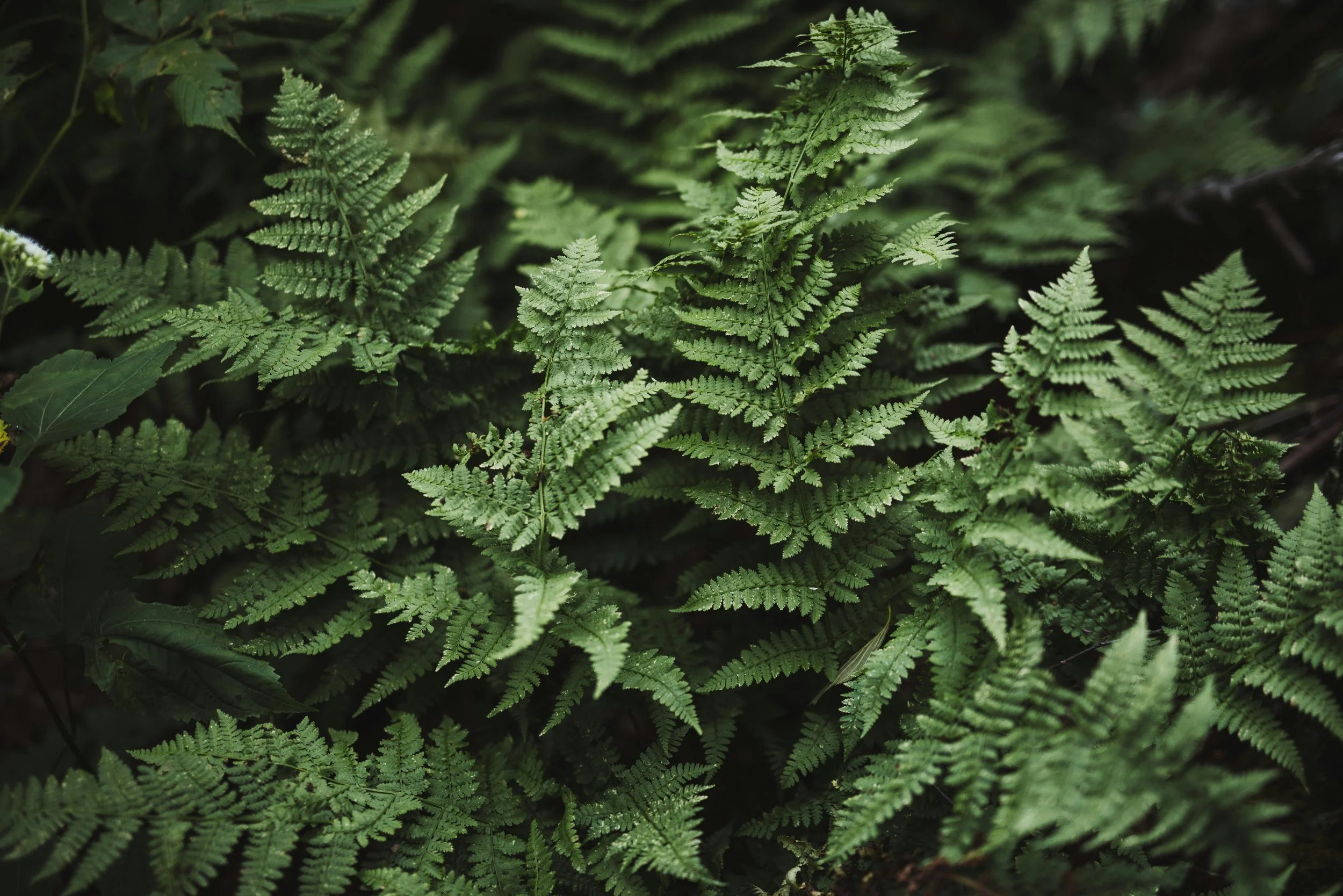
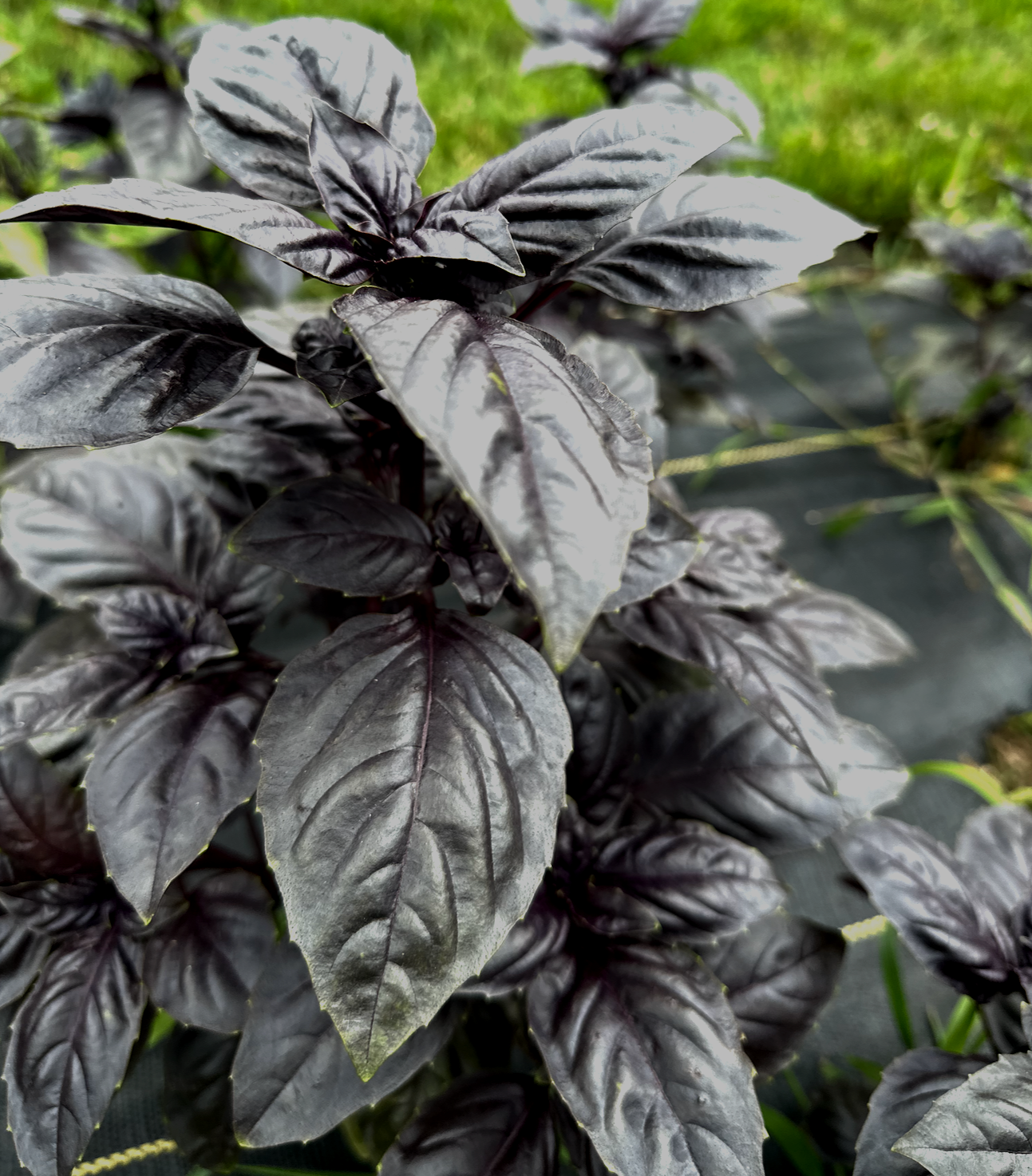
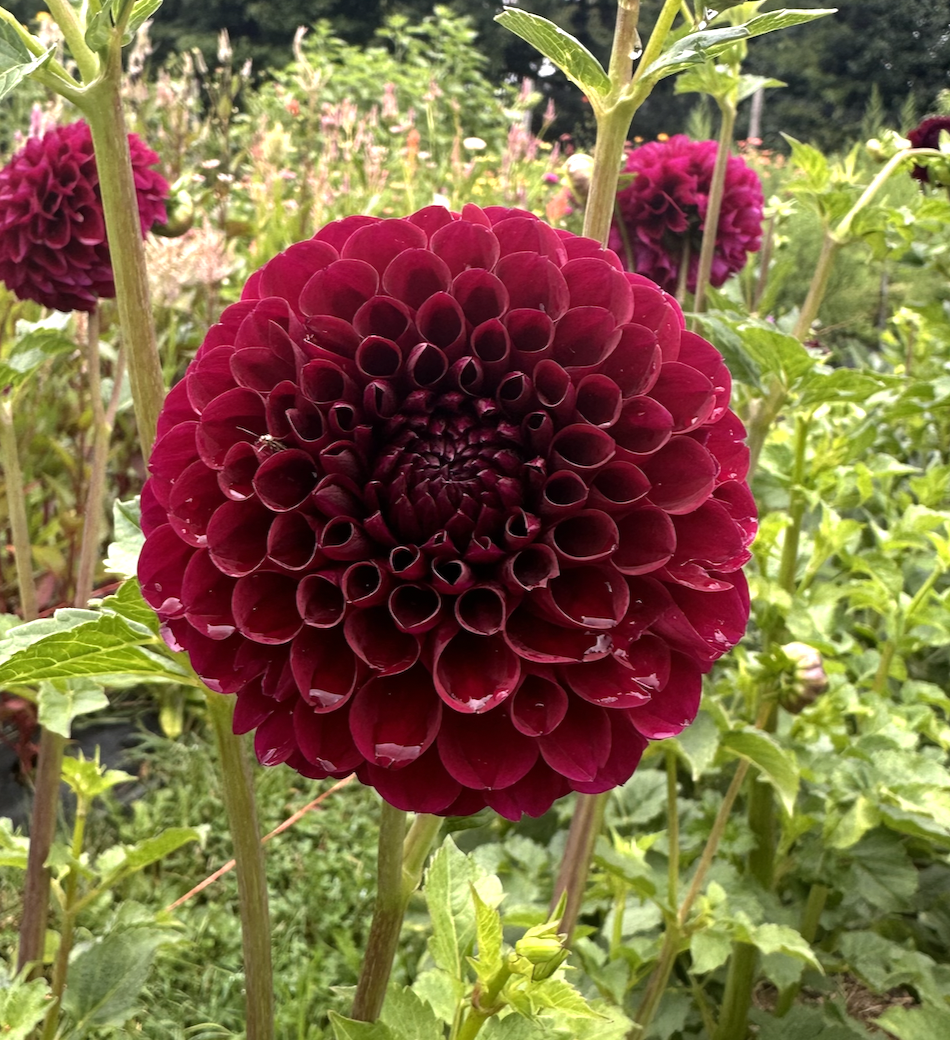
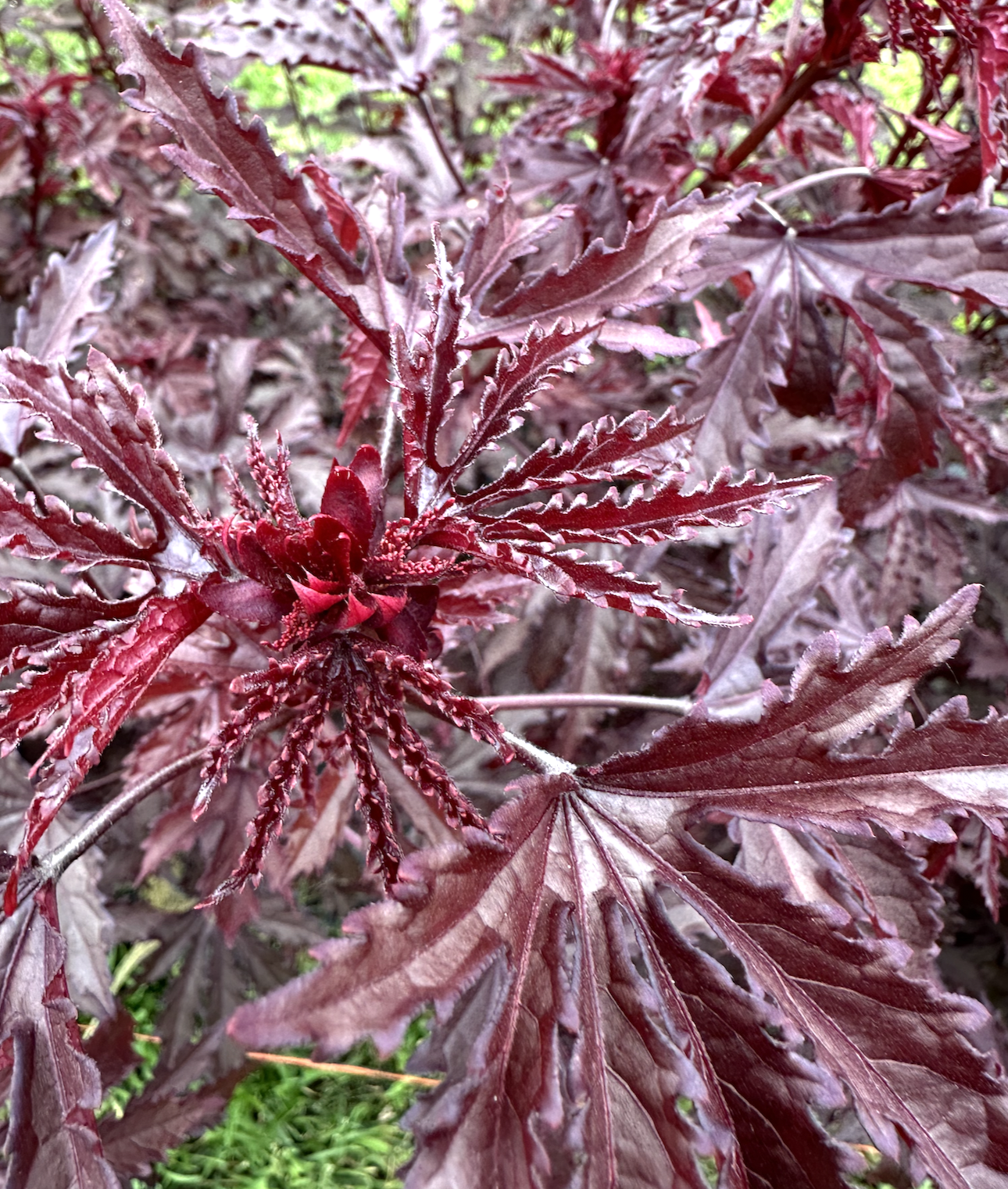
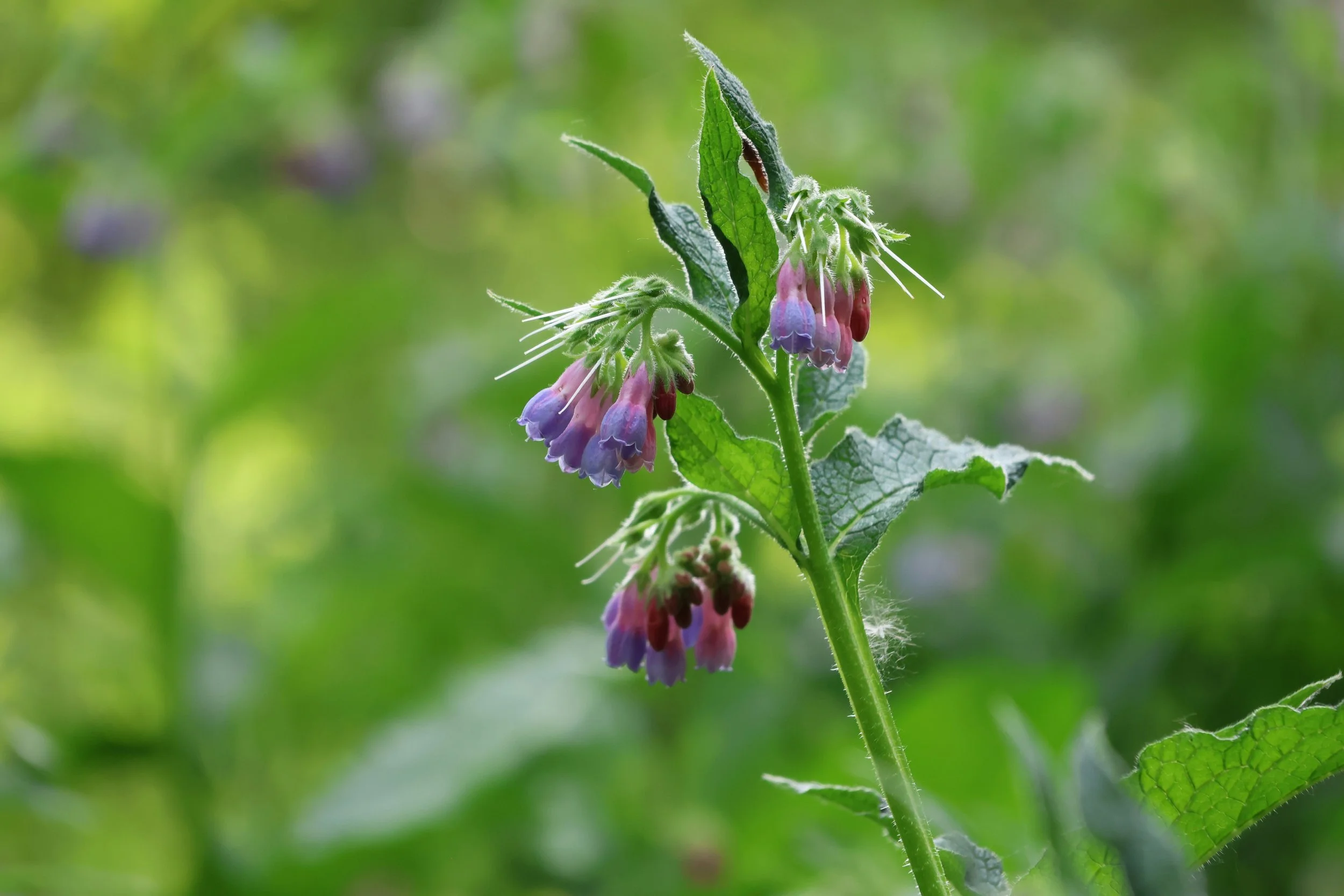
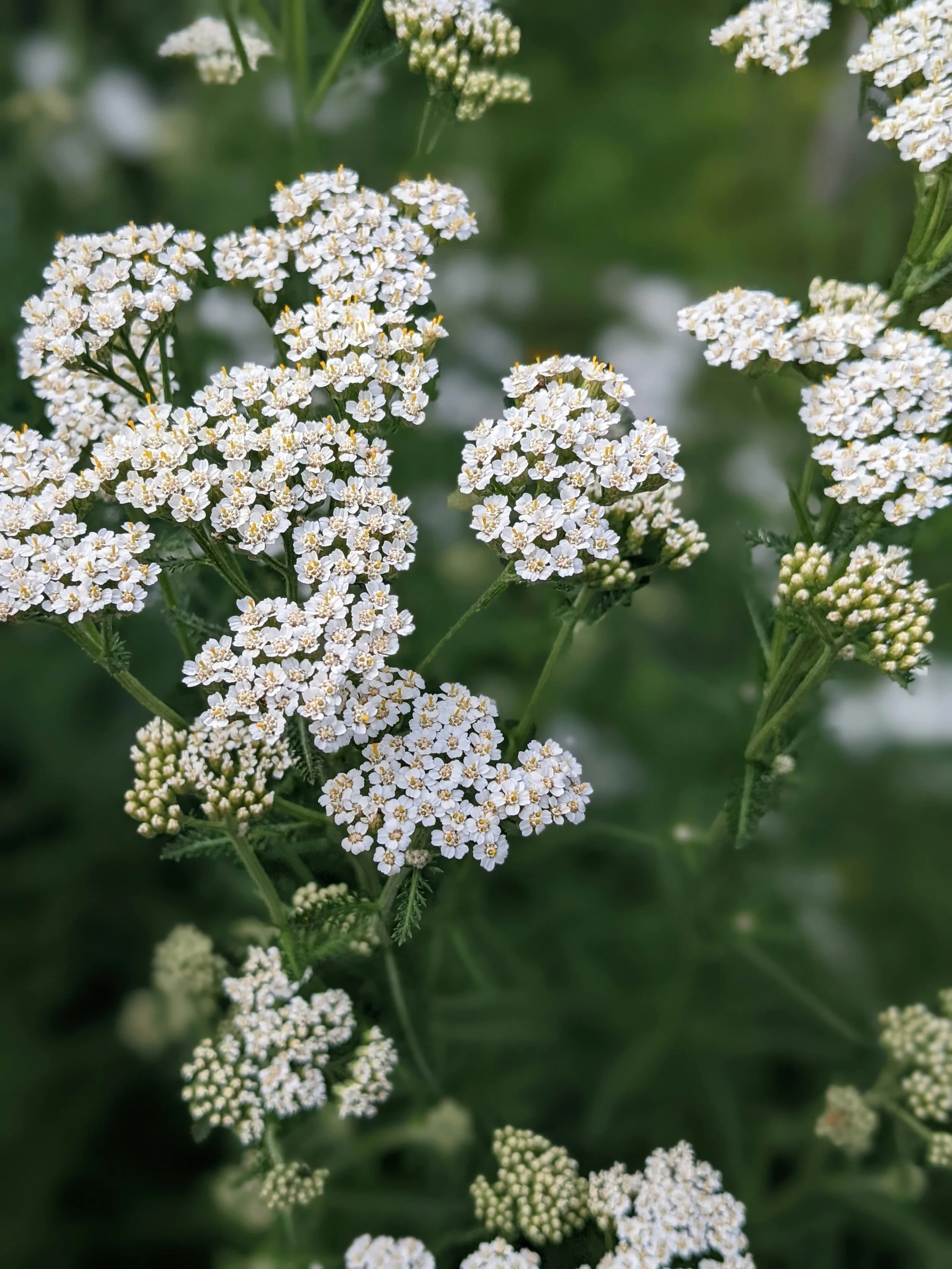
Plants pictured (top to bottom, L-R): Ferns, Amethyst Basil, Dahlia, Mahogany Spendor, Comfrey, Yarrow (images from Unsplash & my farm)
Working with Earth Energy in Your Garden
Growing earth plants is one piece of the puzzle, but as with anything in the garden, there are layers and layers. And in this case, working with earth energy while you garden is another such layer.
Autumn is the natural time to lean into earth… to harvest what you've grown, to turn the compost, to cut back and clear away and prepare the soil for what comes next. But earth energy is available in every season, because the soil is always there, always working, and always transforming what has died into what will feed the living.
A few ways to work with earth energy intentionally:
Get your hands in the soil. It sounds obvious but most of us garden with gloves on. There's something different about feeling the actual earth - its temperature, its texture, its aliveness. I know, bugs and other random things can make it slightly less desirable, but even a few minutes of direct contact can shift something.
Compost with intention. The compost pile is one of the most profound expressions of earth energy in the garden. It’s a space where transformation, patience, reciprocity, and the understanding that nothing is wasted take center stage. When you can tend to it as a practice rather than a chore, it changes its meaning.
Plant perennials. I love annual flowers - they’re quick, colorful, and please the need for variety each year in the garden. But the act of planting something that will outlast the season… something that will come back next year and the year after… is an earth energy practice. It's an act of faith in continuity, in the long-term vision, and in the slow work that actually sustains things. It’s a practice in patience, something (I think) our world could benefit from.
Notice what's beneath the surface. Earth energy asks you to trust what you can't see, like the seed underground or the root system establishing itself in the dark. We know slow work is happening in the soil that won't be visible until spring… and even then we won’t be able to see everything because so much of it is microscopic and not visible to the naked eye. But this is the earth's constant teaching that we can learn from: not all growth is visible, and invisible growth still counts.
Earth, the Seasons, and You
Earth energy moves through the year in Taurus season (spring's sensory abundance, the pleasure of the physical world coming back to life), Virgo season (late summer's practical, discerning harvest energy), and Capricorn season (the deep midwinter, the patient long-term vision).
And earth lives in you too - in your birth chart, in the way you relate to your body, to your physical environment, and to the slow and steady work of building something that lasts.
Notice how you feel in autumn versus spring. Notice which of these plants calls to you. Notice where patience wants to show up in your garden… and maybe in your life.
The element of earth has something to teach you. You just have to be willing to slow down long enough to hear it.