
Practical Magic in the Garden: Wildlife
Practical and magical ways to welcome wildlife in your garden.
I’m a firm believer in magic. Everything is energy - and everything is connected - and therefore when we put a little intention towards working with the energy of things, I not only believe in the outcomes but I’ve experienced it firsthand.
Yet, we also live in a very tangible, practical, physical world.
This Practical Magic in the Garden series is all about combining both in order to create the gardens and growing spaces we dream of.
In the first post of the series we talked about the practical magic of abundance. The second was all about the practical magic of protection (from pests, disease, etc.). Now, we’re talking about the practical magic of welcoming our animal friends and wildlife into our spaces. Because as any witchy person knows and believes, magic isn’t reserved for nor with regards to humans only.
When I talk about wildlife and animal friends, what I’m really getting at is biodiversity. While not all living things are friends of the garden (hello Japanese beetles) they all serve a part in the larger web and when natural predators feel welcome in a space, they’ll come in and help keep a thriving ecosystem.
Of course we have to be realistic and mindful of animals. For example, welcoming skunks into your space might mean keeping your dog under watchful eyes early in the morning. But forming a relationship with the wild world shows a sort of reciprocity back to the land. As humans, we often think of ourselves as the high and mighty and while we might be at the top of the food chain, it doesn’t mean we can (or should) disregard the rest of the living world. So welcoming wildlife in honors that cycle and the relationship we have with other beings.
So, let’s get into it.
The Practical Side of Things
From the practical side of things, there are some simple things one can do when wanting to welcome more wildlife into the growing space. These are all things I’ve incorporated into my own garden and farm, and I can’t tell you how “alive” the spaces feel on a regular basis.
Water sources: It’s no secret that our climate is changing, and with that we’re seeing warmer days more frequently. Insects and animals are just like us in that they need hydration, and so incorporating water features into your growing space means they don’t have to travel elsewhere for refreshment. Birdbaths and wildlife ponds are easy ways to add water into your garden, both of which are relatively inexpensive. Some creatures like the elevated appeal of a birdbath while others need the ground-level access, so if you’re able to do both that’s a win-win, but even one makes a difference.
Varied habitats: Any creature, no matter how big or small, needs safe spaces to live and find shelter. This is where shrubs, trees, brush and groundcover become important in a space, as they provide those habitats for creatures. This year I added a small wood pile into the garden for insects and small creatures to find shade and shelter, as well as a wildlife pond (as I mentioned) which allows some creatures such as toads and dragonflies a place to lay their eggs.
Food sources: What’s the staple resource for any living being that determines whether they survive or not - yes, food (and water and oxygen, yes… but we’re talking about food in this one). Nothing motivates a creature like hunger does and so making sure there are food sources is an important (and probably obvious) method to attracting them in. Obviously having plants that they prefer to eat (such as milkweed for monarchs, native plants for native pollinators, insects for toads, etc. but also thinking about what might be keeping them from eating. An example of this would be bird feeders. I have bird feeders hanging around my property and I adore watching the birds flock to them. But I only load them with seed during the winter when there aren’t as many food sources in my yard for them. Ideally I would have native bushes and berries for them, but that’s a work in progress. In the summer, I want the birds to ideally eat the insect pests, so I leave the feeders empty in hopes that they’ll instead munch on grasshoppers, beetles, mosquitos, grubs and so on. My goal is to make sure the birds know my garden is a place for them to fill up so that they frequent often.
No Chemicals: This is a whole topic, and there are a number of approaches here. And, I also want to be mindful of the fact that everyone is working with different resources, pressures, conditions, etc. With that said, chemical pesticides, fertilizers, fungicides, insecticides, etc. will do more harm to the ecological diversity in a garden than good. Even things considered “organic”, take neem oil for example, can have a negative impact on the health of a garden because it doesn’t just target or deter “bad” insects… it impacts beneficial insects, too. And it also can impact larger creatures like birds and bats who eat various insects. Now, anything that is considered natural or organic is going to be better than a chemical-based product, but if wanting to create a thriving garden ecosystem, one has to be mindful of how actions and applications play into the larger web of life.
Native Plants: Curating a beautiful garden will no doubt bring in a slew of friendly insects, but incorporating native plants is an important part of that. Pollinators that call your area home have survived throughout the years because they’ve evolved with the plants in your area. Therefore there’s a different relationship between the two when it comes to providing the right food, the right shelter, the right seasonality, etc. Even just a small patch or selection of native plants each season can help support the local pollinators in your area, which increases their population and in doing so, also helps increase their ability to protect against unwanted pests.
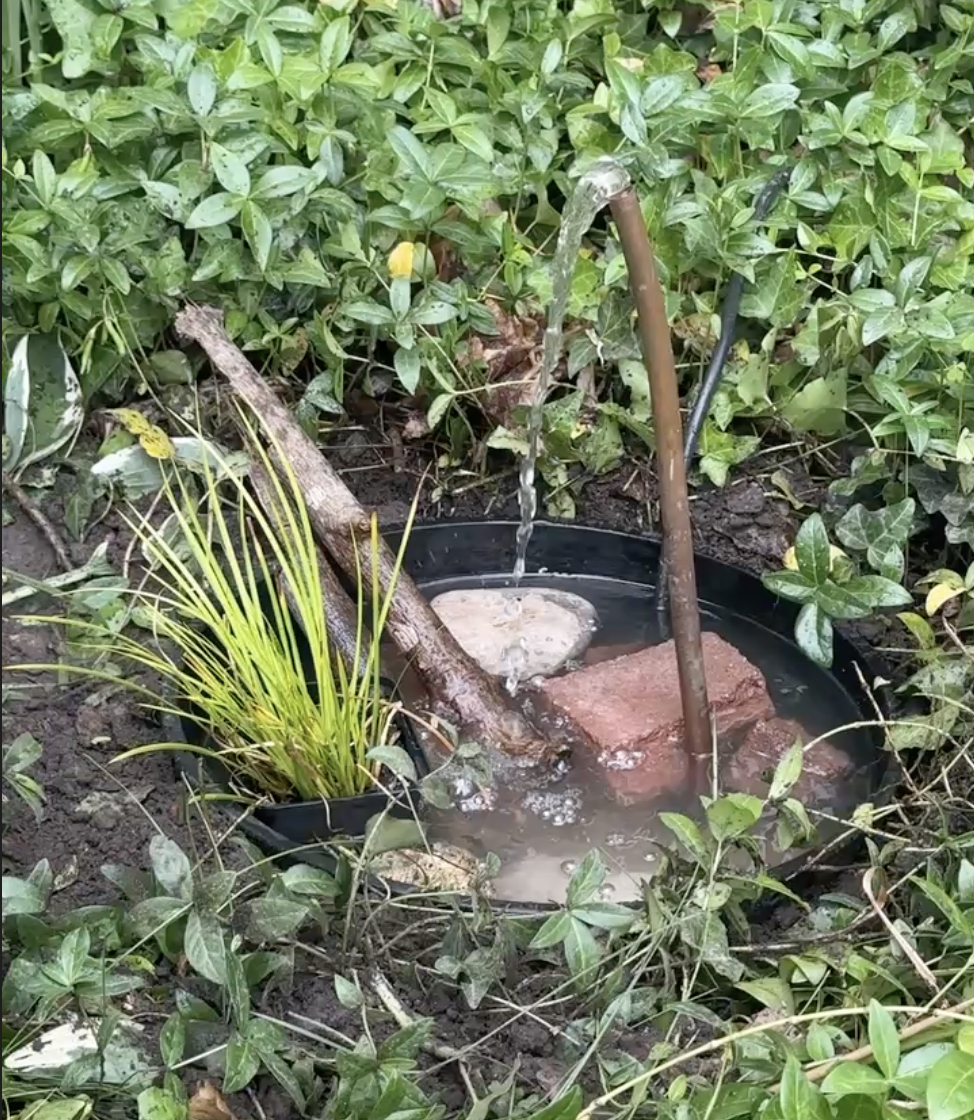
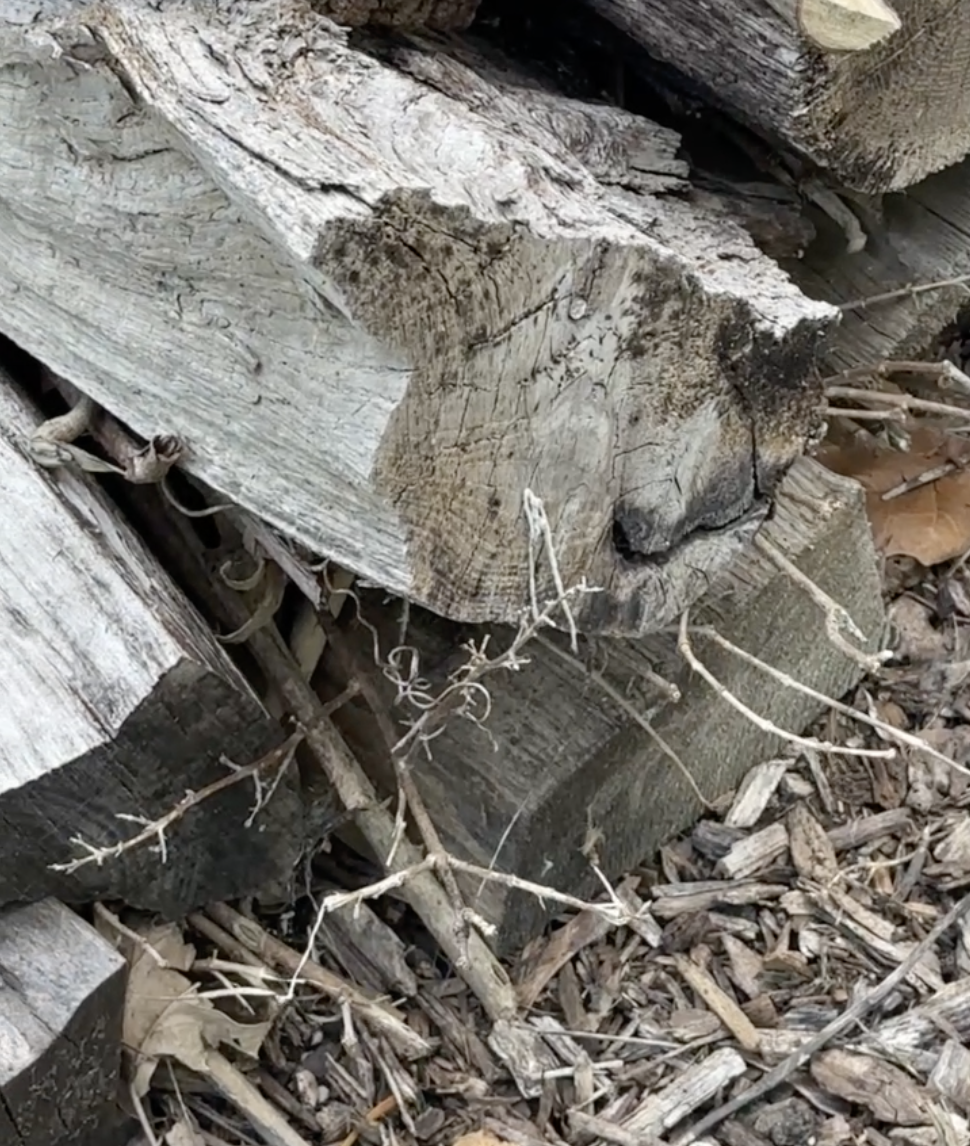
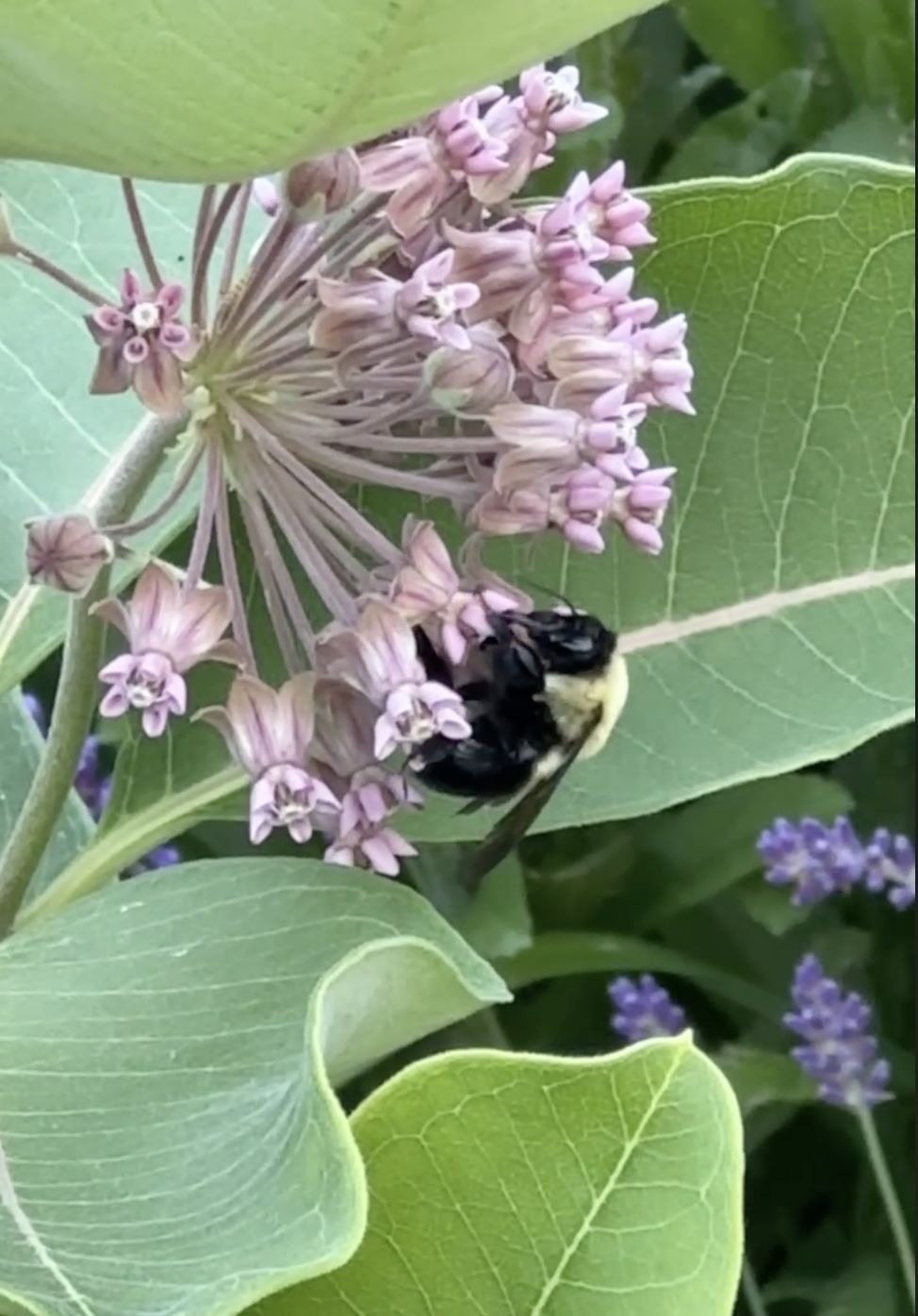
Pictured (left to right): Small wildlife pond for shelter and hydration, a stacked wood & brush pile for shelter, native milkweed feeding pollinator bees.
The Magical Side of Things
Now, let’s talk a bit about the more magical side of welcoming wildlife and biodiversity into the garden.
Statues & Garden Decor: I welcome real critters into the garden, but I also have statues of animals as a symbolic gesture that they’re welcome. A fox named Comet, a bunny named Penelope, and a turtle and toad duo lovingly known as Myrtle and Frank. There’s a good chance I’ll add more… but as of now I like to think that these tiny concrete creatures bring the energy of wild animals into the space (even if the real ones don’t visit). The same goes for a small brass butterfly I have atop a tall spike, almost like it’s letting it’s butterfly friends know that this is a space for them.
Conversations: I am without a doubt a person who speaks to the animals. Not that they ever speak back (although my gosh wouldn’t it be awesome if they did) but I have noticed that they communicate in different ways. I let the critters know they have a safe space in my garden, that they won’t be caused harm, and for the most part I’m rewarded by them not decimating my plants. I let the bees know that I’m leaving some blooms for them (and yes, there are certain times I will abandon harvesting if the bees are busy on a certain variety) and that I appreciate them and their pollinator friends doing their work. I think there’s something special in the acknowledgment of other creatures we share our spaces with… and sometimes I think that acknowledgement goes a long way.
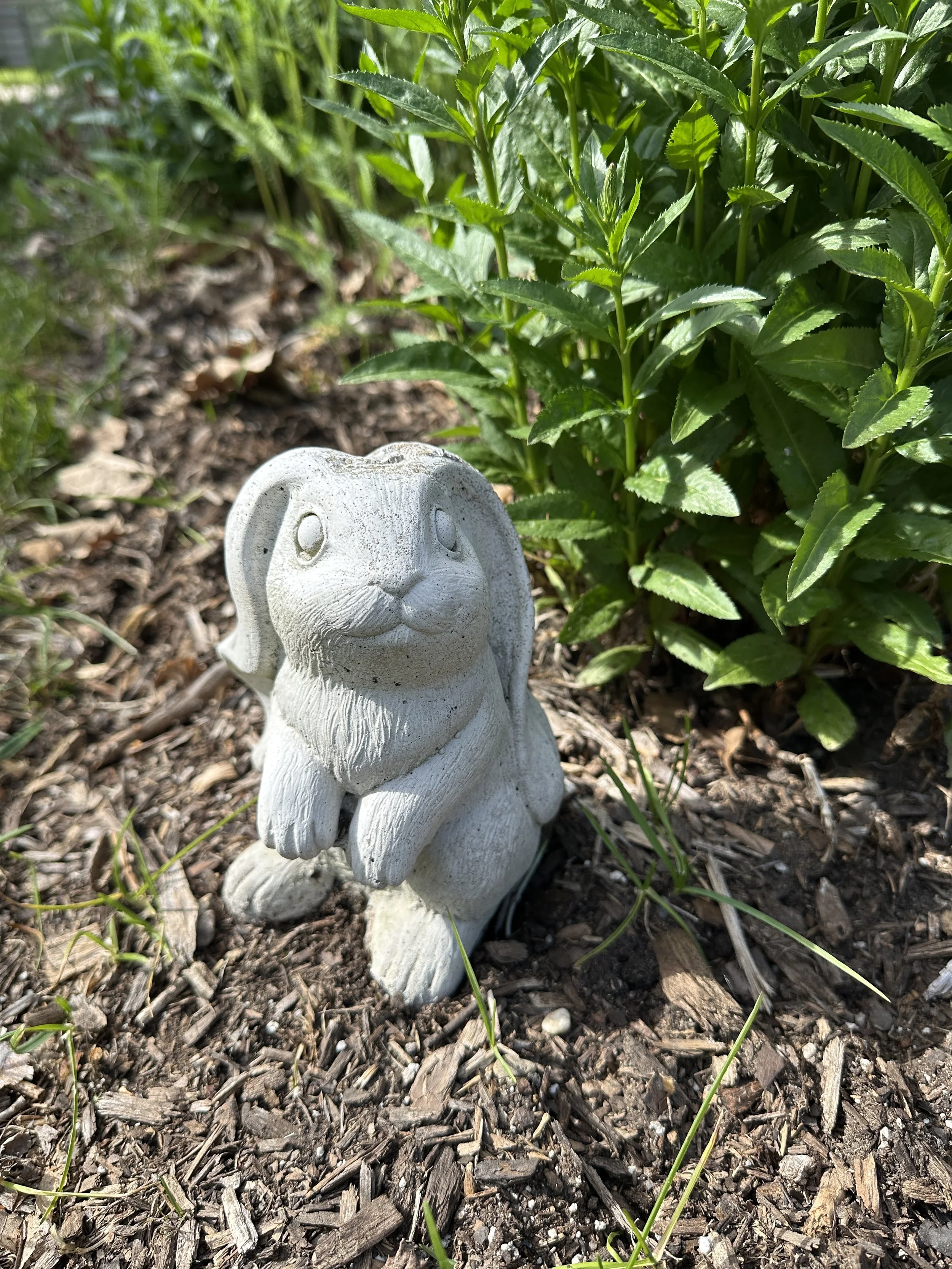
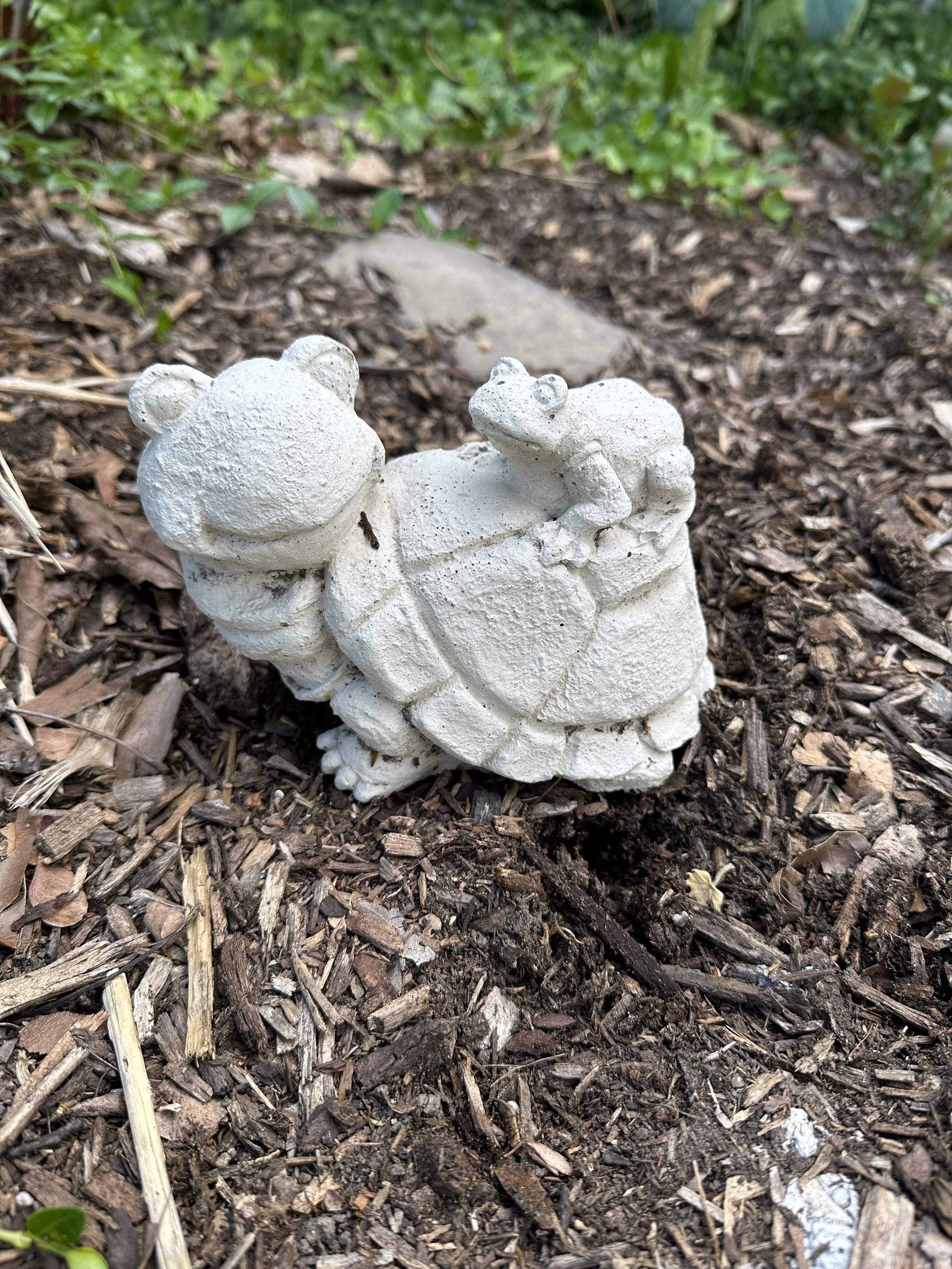
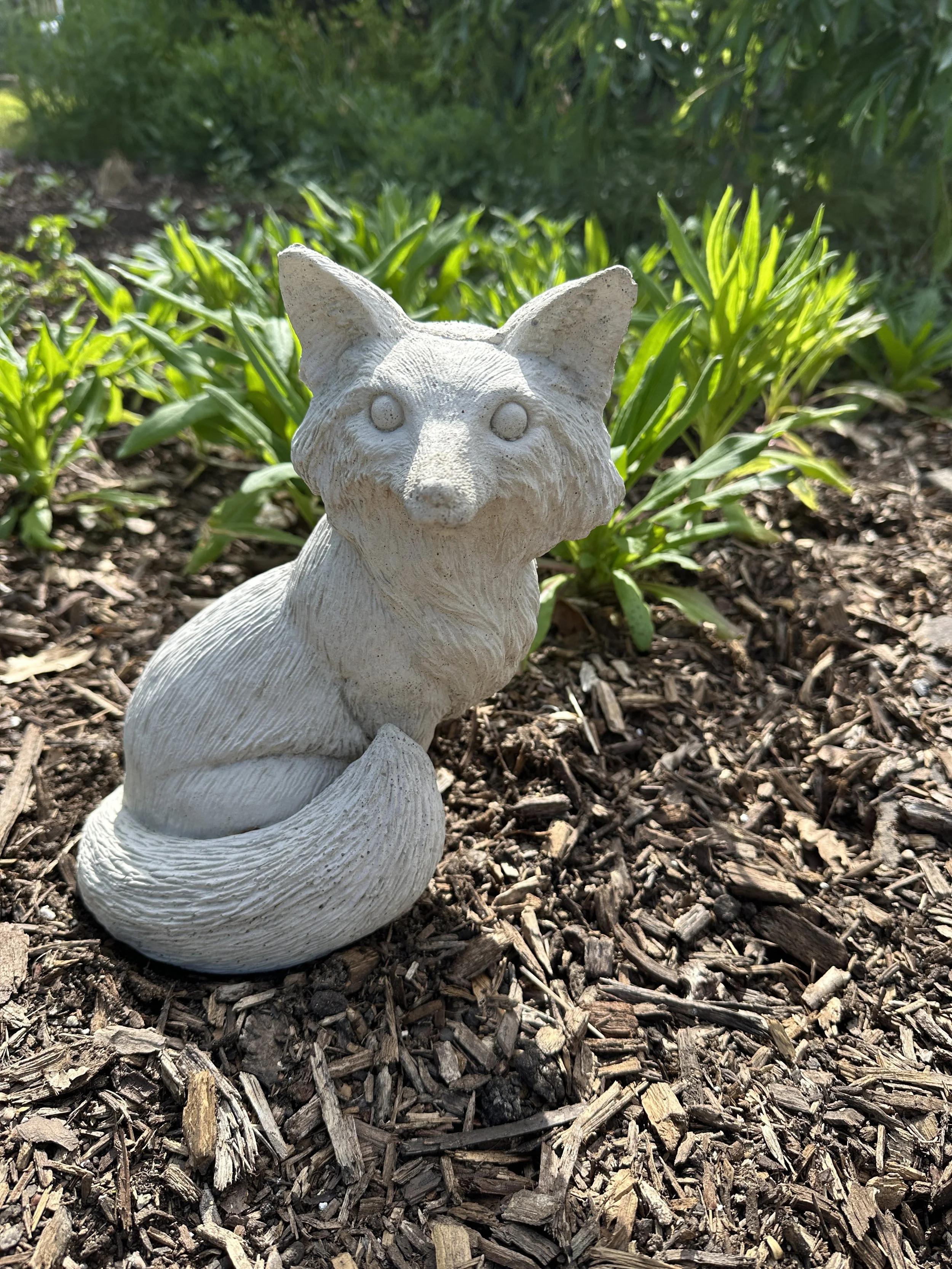
Pictured (left to right): Penelope, Myrtle & Frank, and Comet. My concrete garden friends welcoming in others.
Some of this might seem a little “woo woo” - totally get it, and honestly, that’s absolutely ok. But I always think “what’s the harm?”. As someone who values and believes in science and data… yet also knows that we as humans aren’t capable of fully understanding the way that everything works…. I like to think having a bit of magical faith does more good than harm.
We live in a world that so often loses the wonder and the connection we have to the natural world. We lose our intuitive knowledge and the magic that lives within us once we realize that responsibility and “real life” are our priorities. But I say, why does it have to be one or the other? It’s the combination of both the magical intention AND the practical action where it all really comes together and ends up creating the outcome we’re looking for. And let’s be real… one is far more fun than the other.
These are by no means exhaustive lists, but it gives you an idea for a place to start for the next time you’re looking to bring a little practical magic into your garden, too.
This is part of a series. You can read the rest of the series here: the practical magic of protection and the practical magic of wildlife.
Ready to Grow with Intention?
If this post resonated and you want to take your garden a step further this season, Rooted in Magic is for you. This is a practical guide to growing flowers with elemental intention - including plant guides and suggestions, information to help you plant with the moon, and simple layouts to get you started.
Turn your garden into something even more magical this season.
